
gshssshfsh
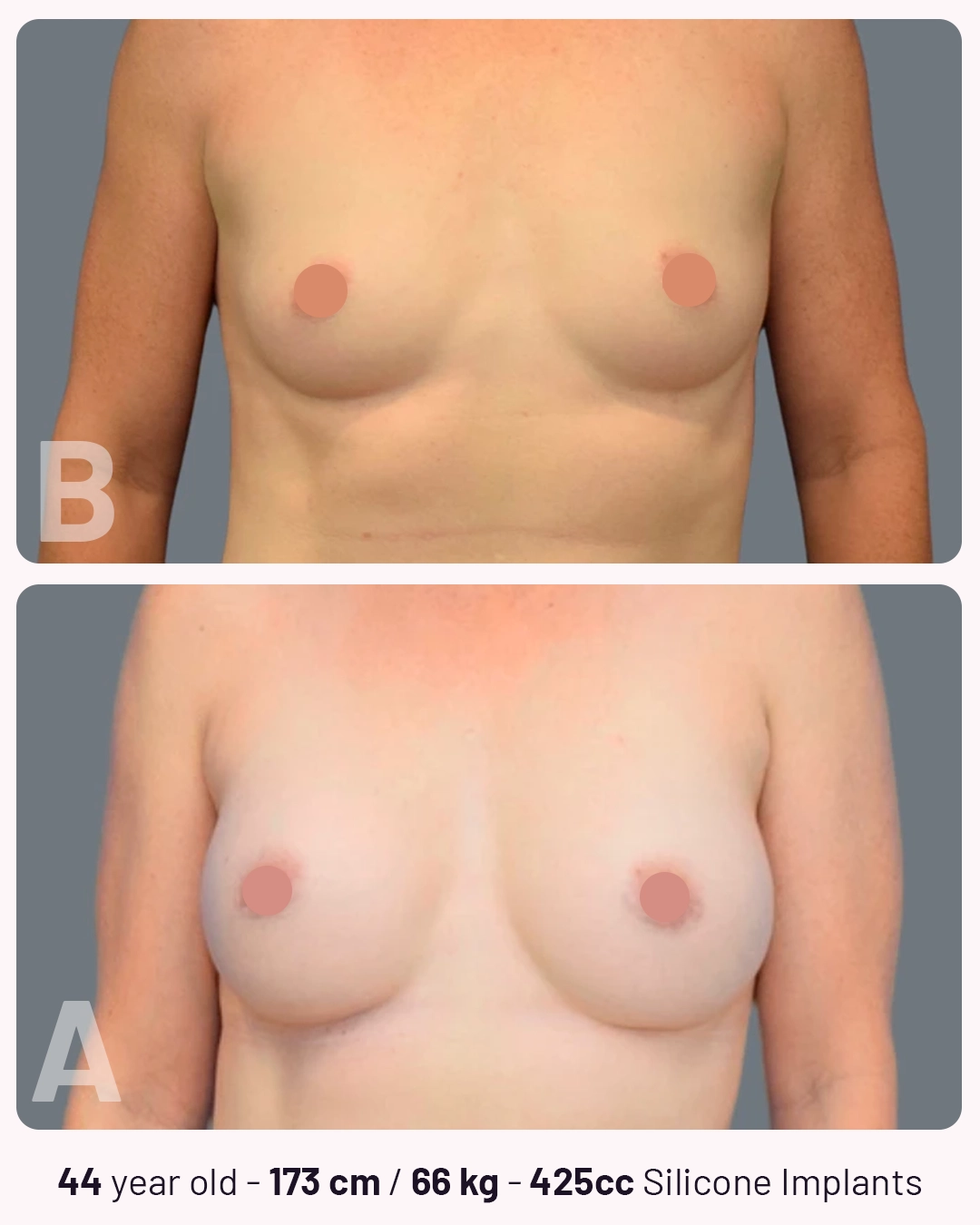
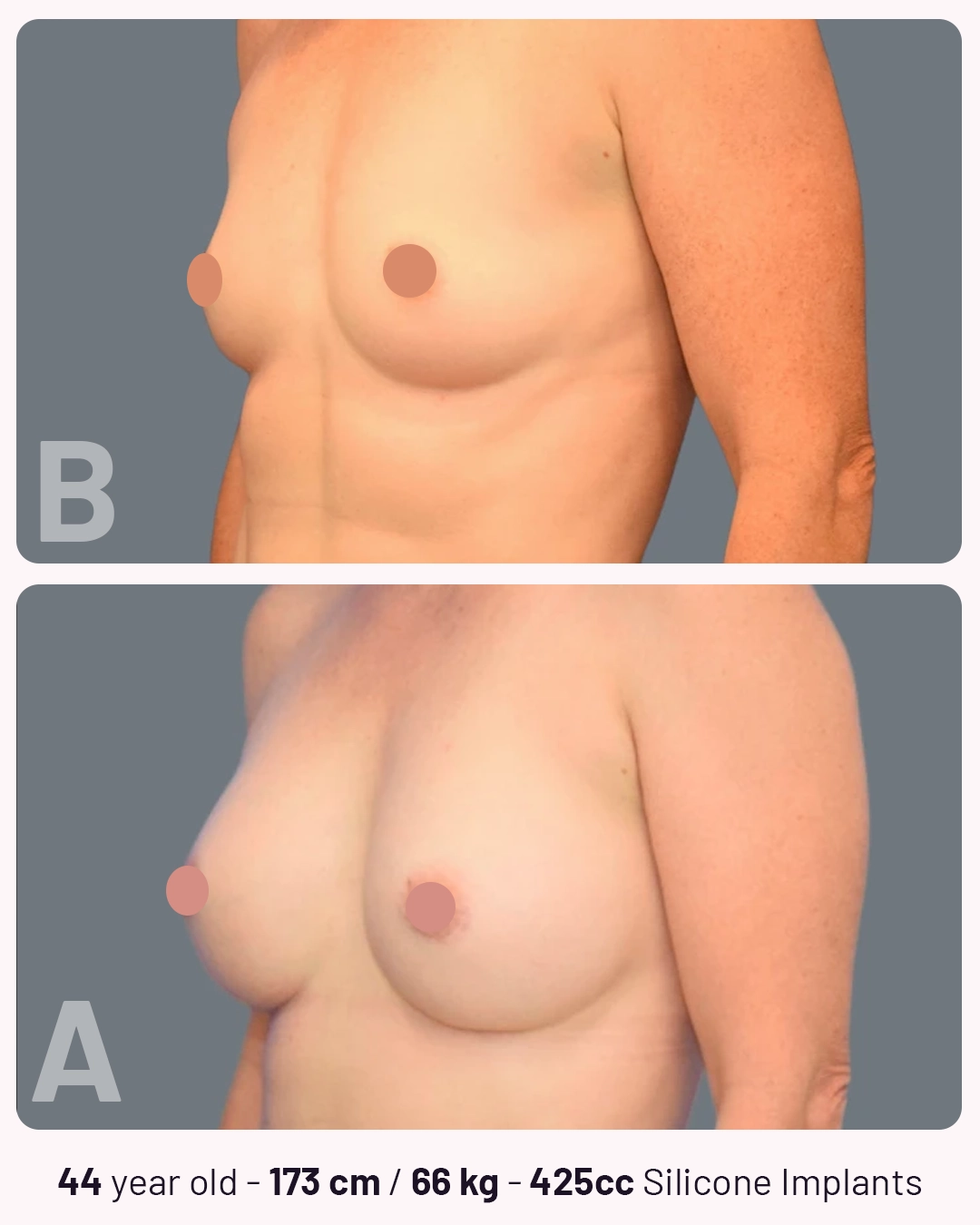
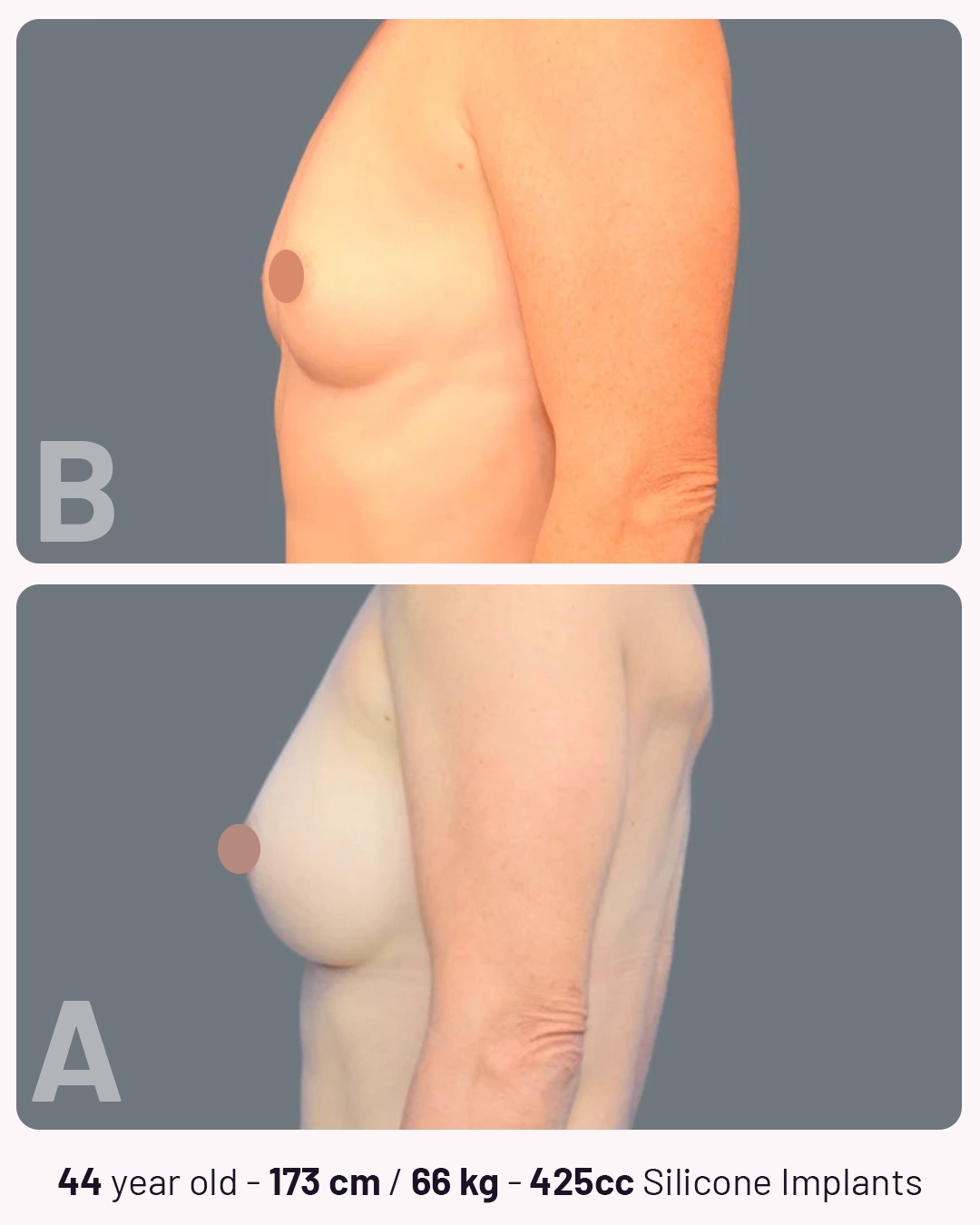
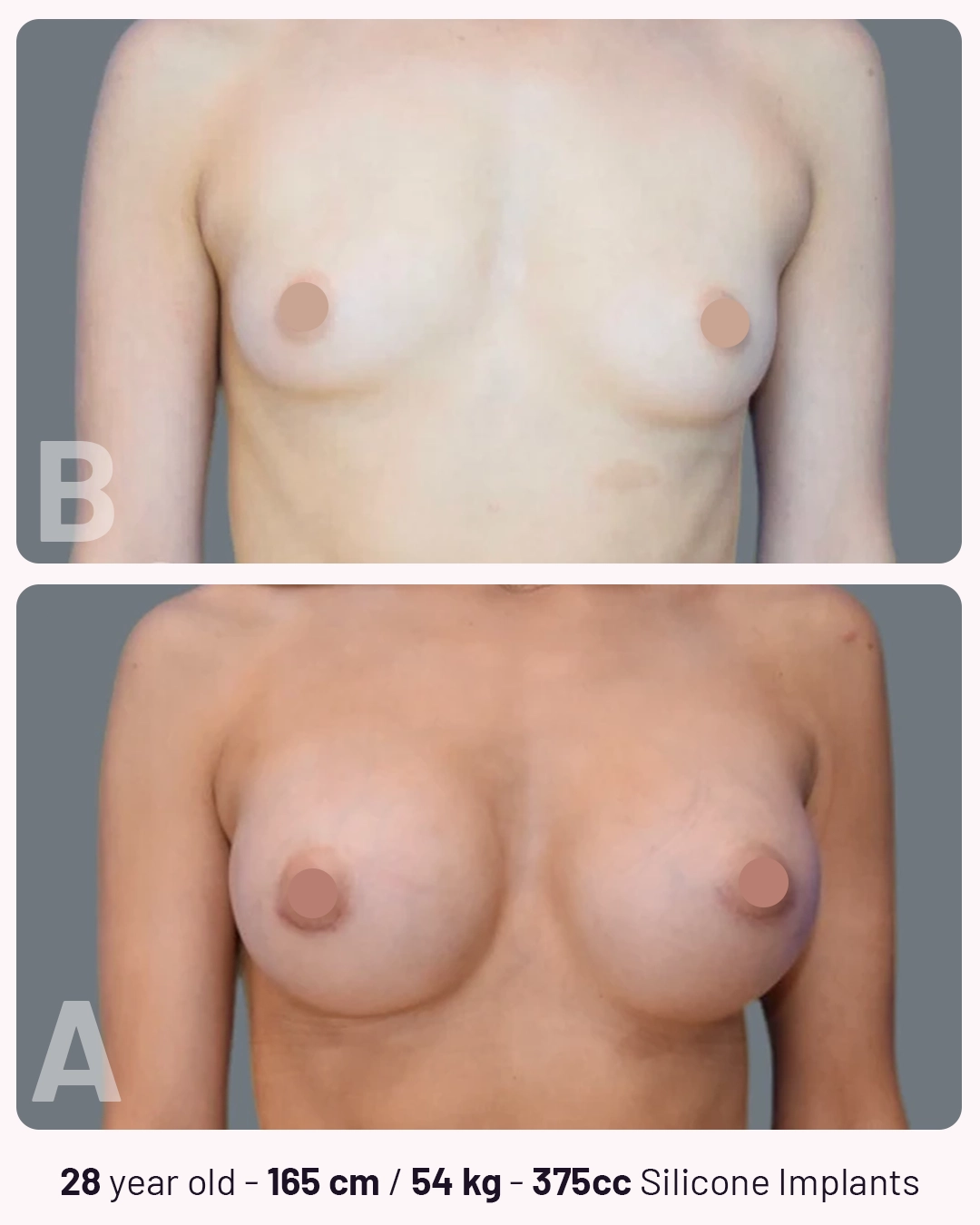
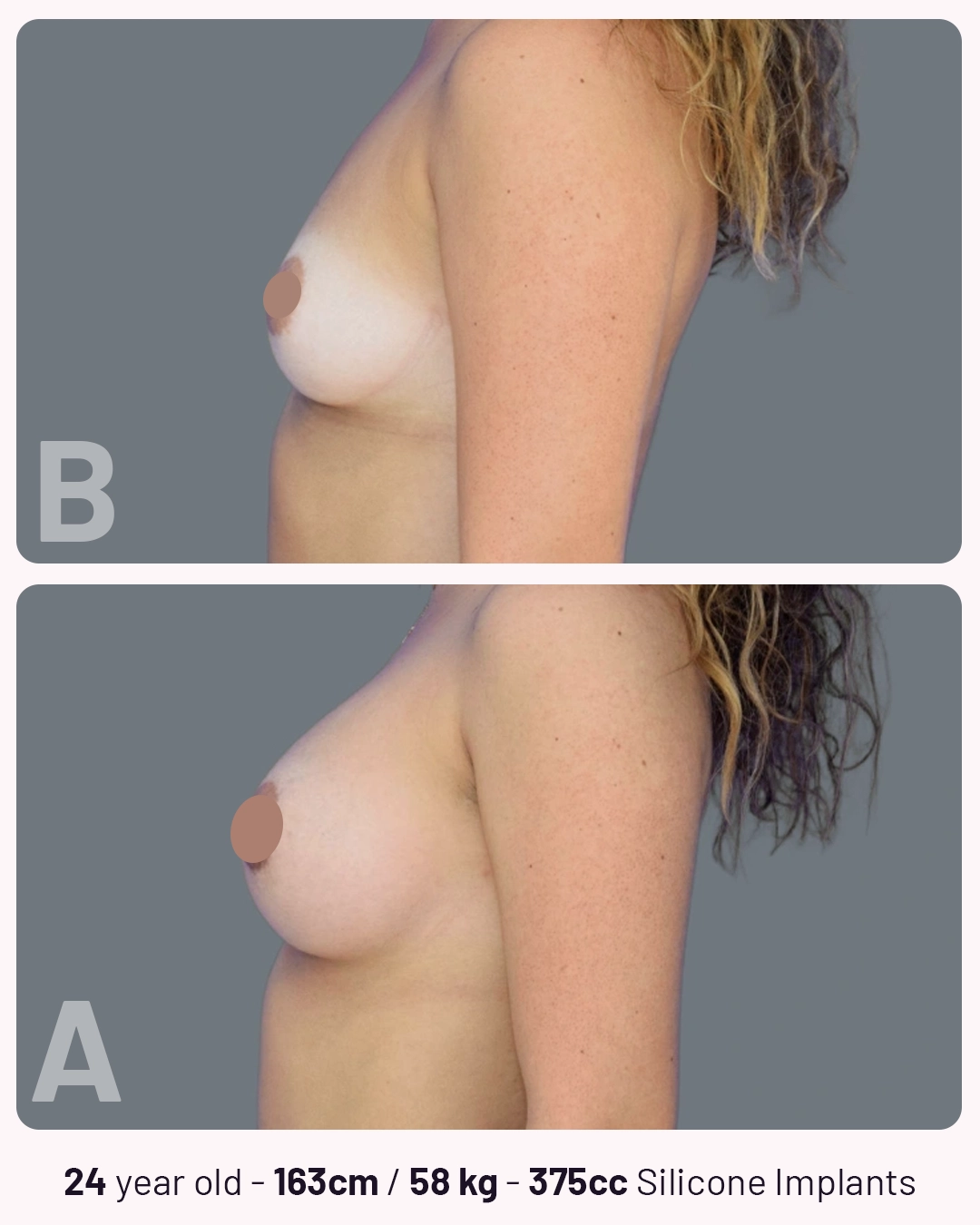
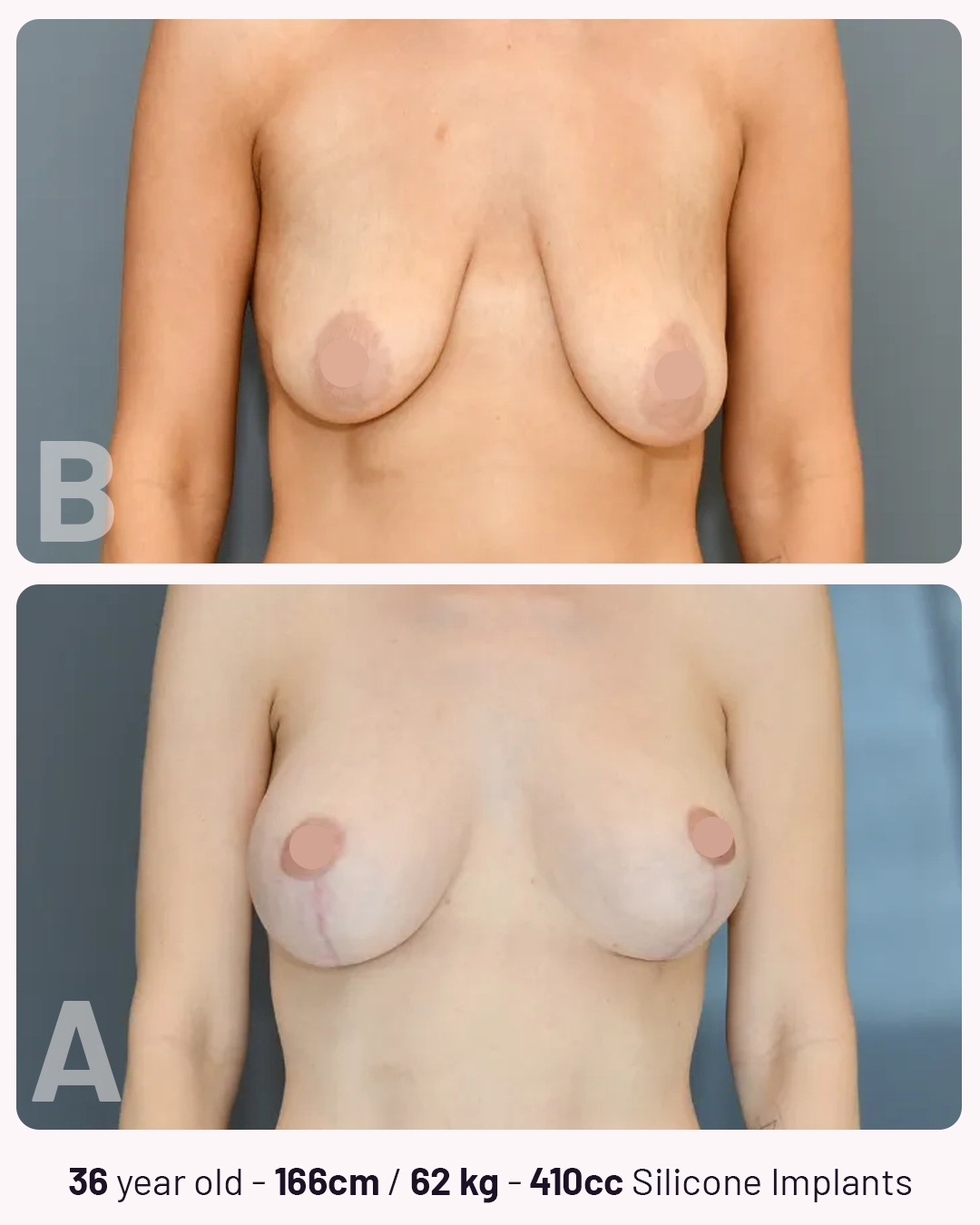
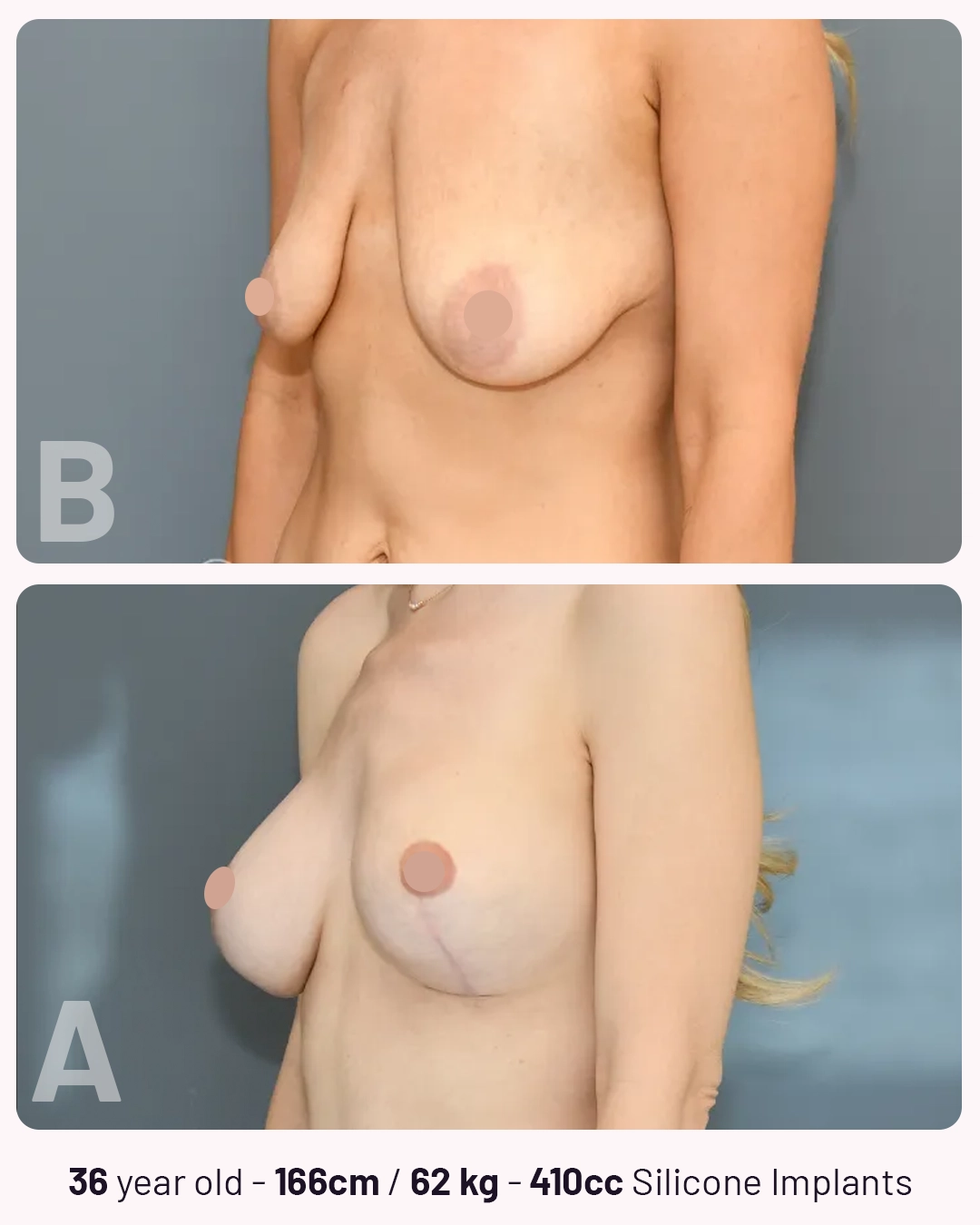
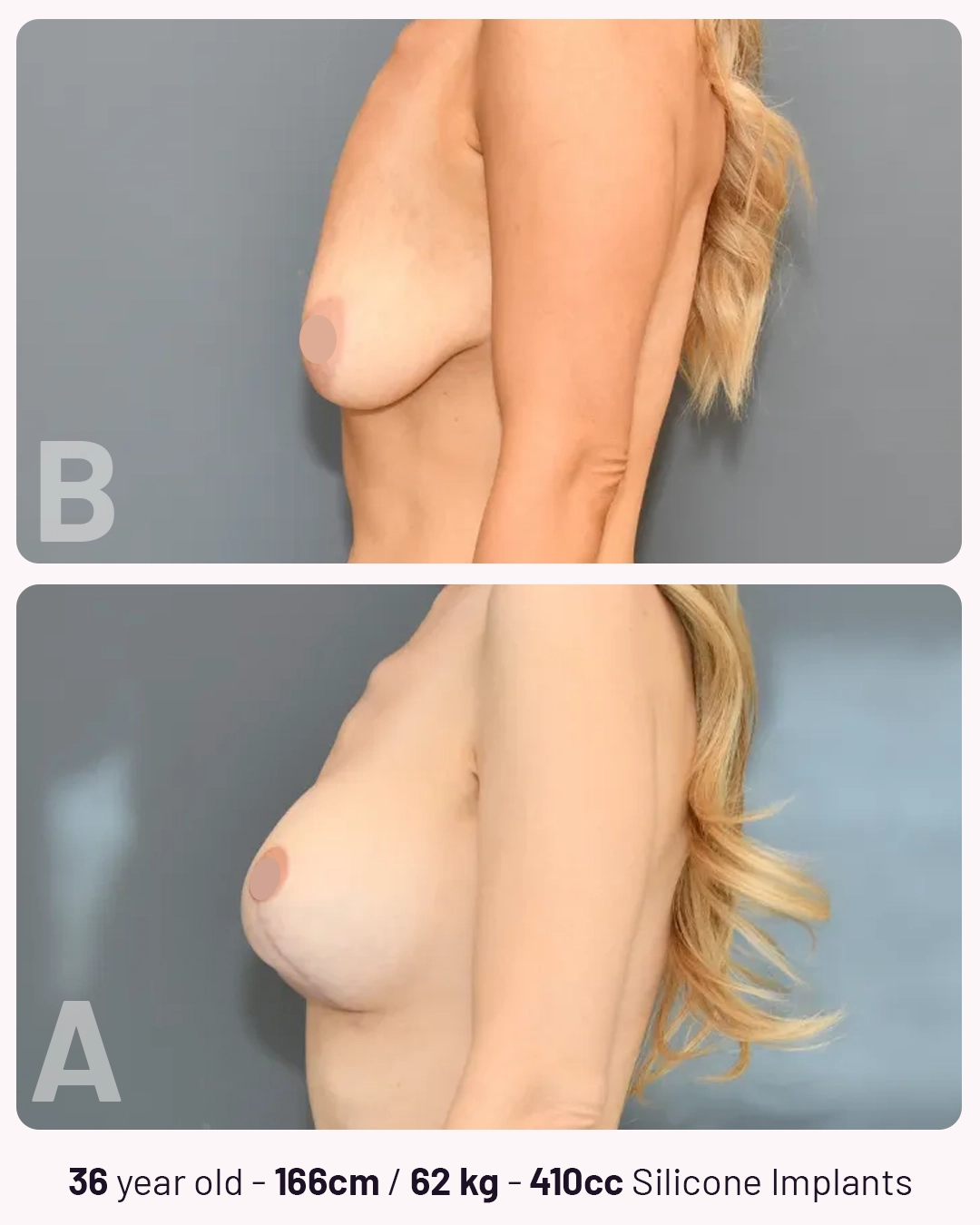
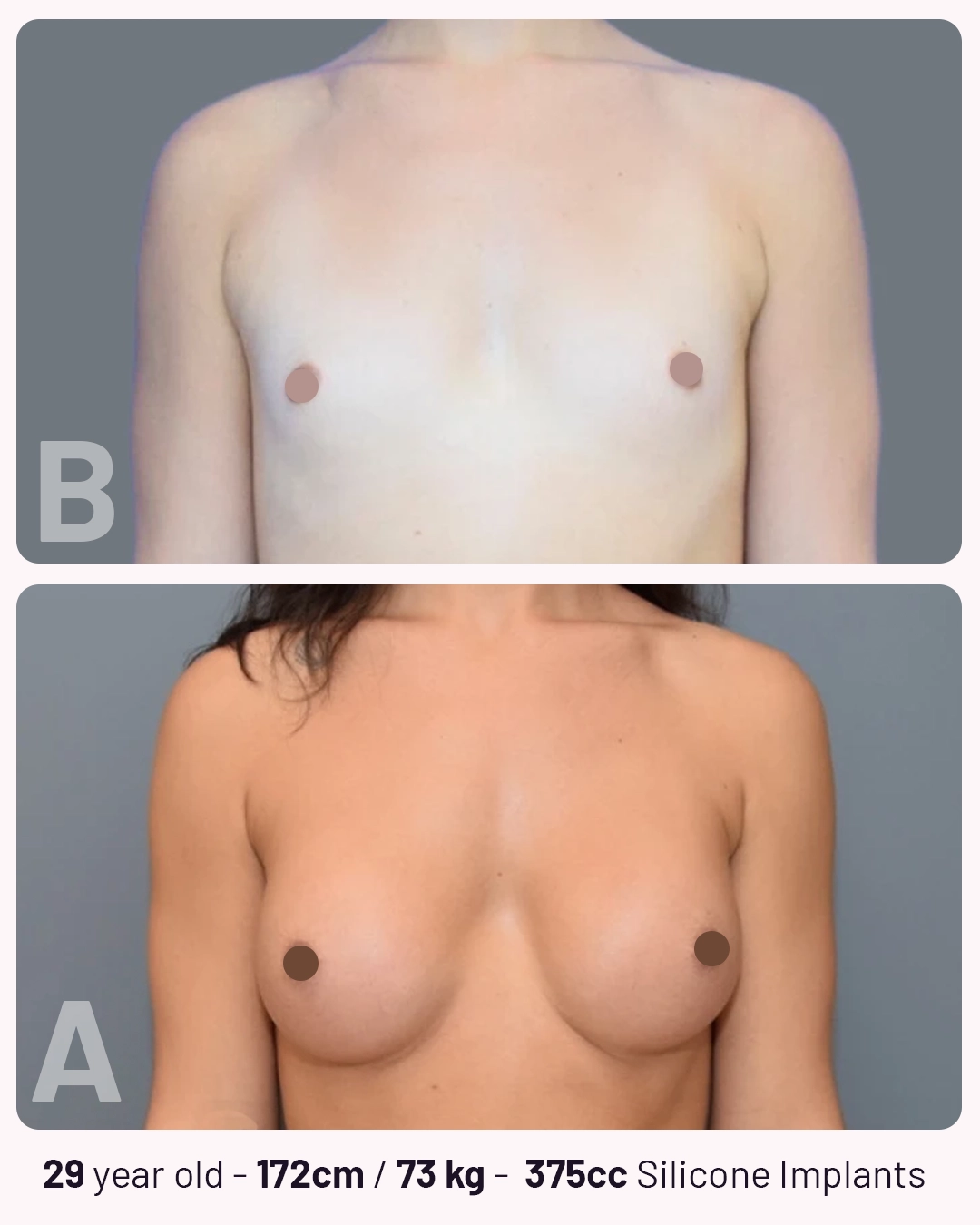
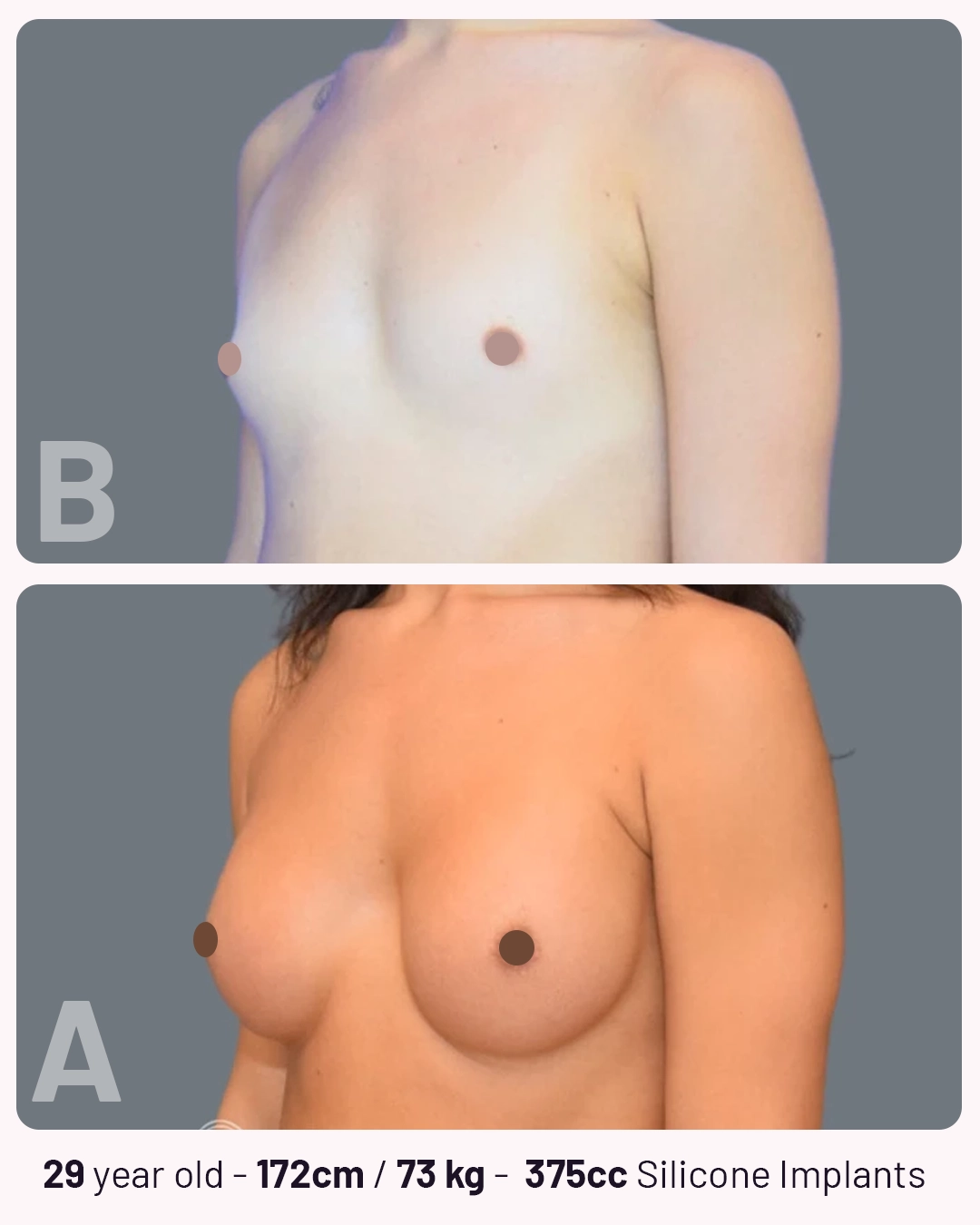
Achieving fuller, well-shaped, and firm breasts plays a significant role in women’s aesthetic and personal self-confidence preferences. In addition to congenital factors, conditions such as breastfeeding, frequent weight fluctuations, or certain illnesses can cause a loss of breast volume, making breast augmentation surgery an effective solution.
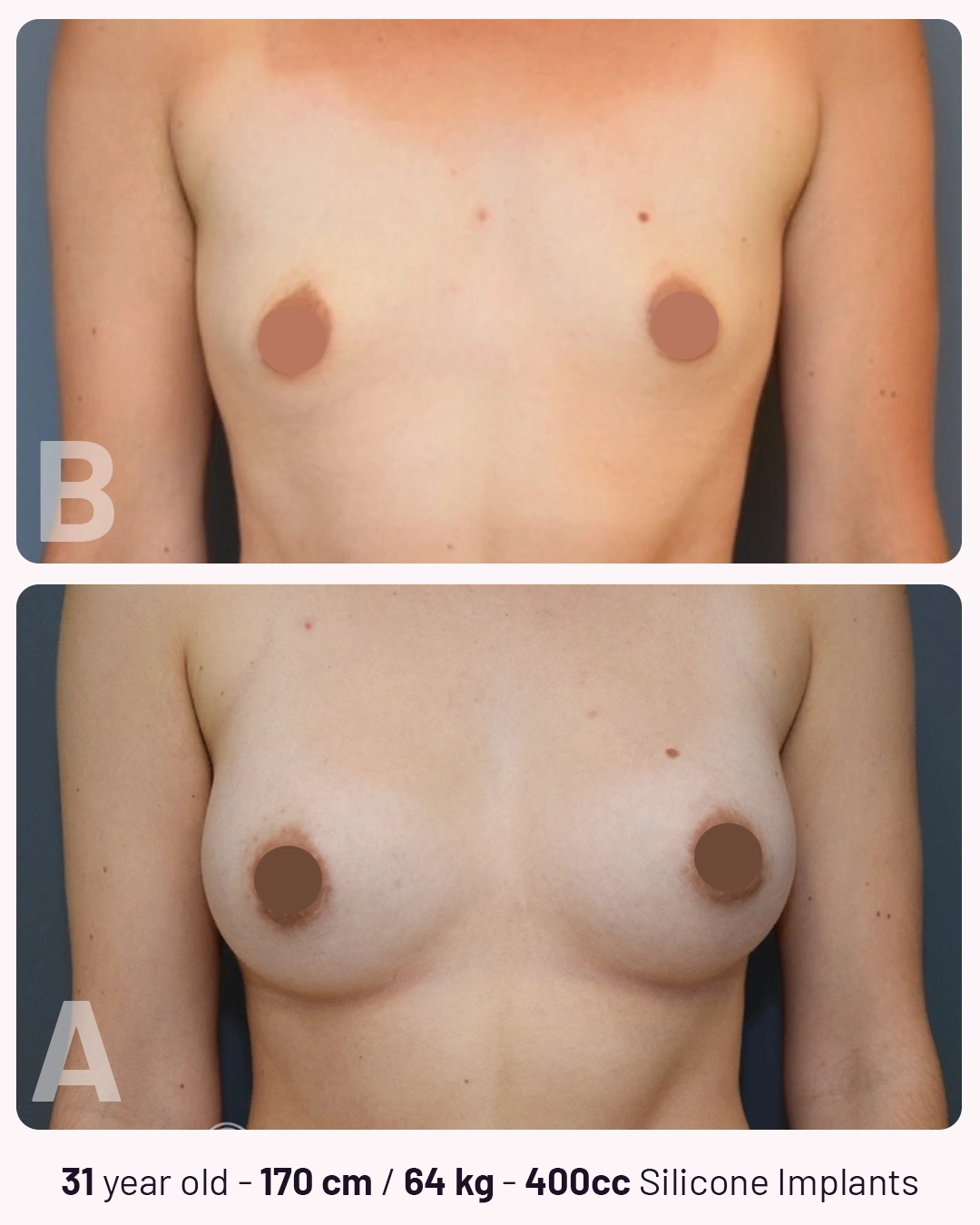
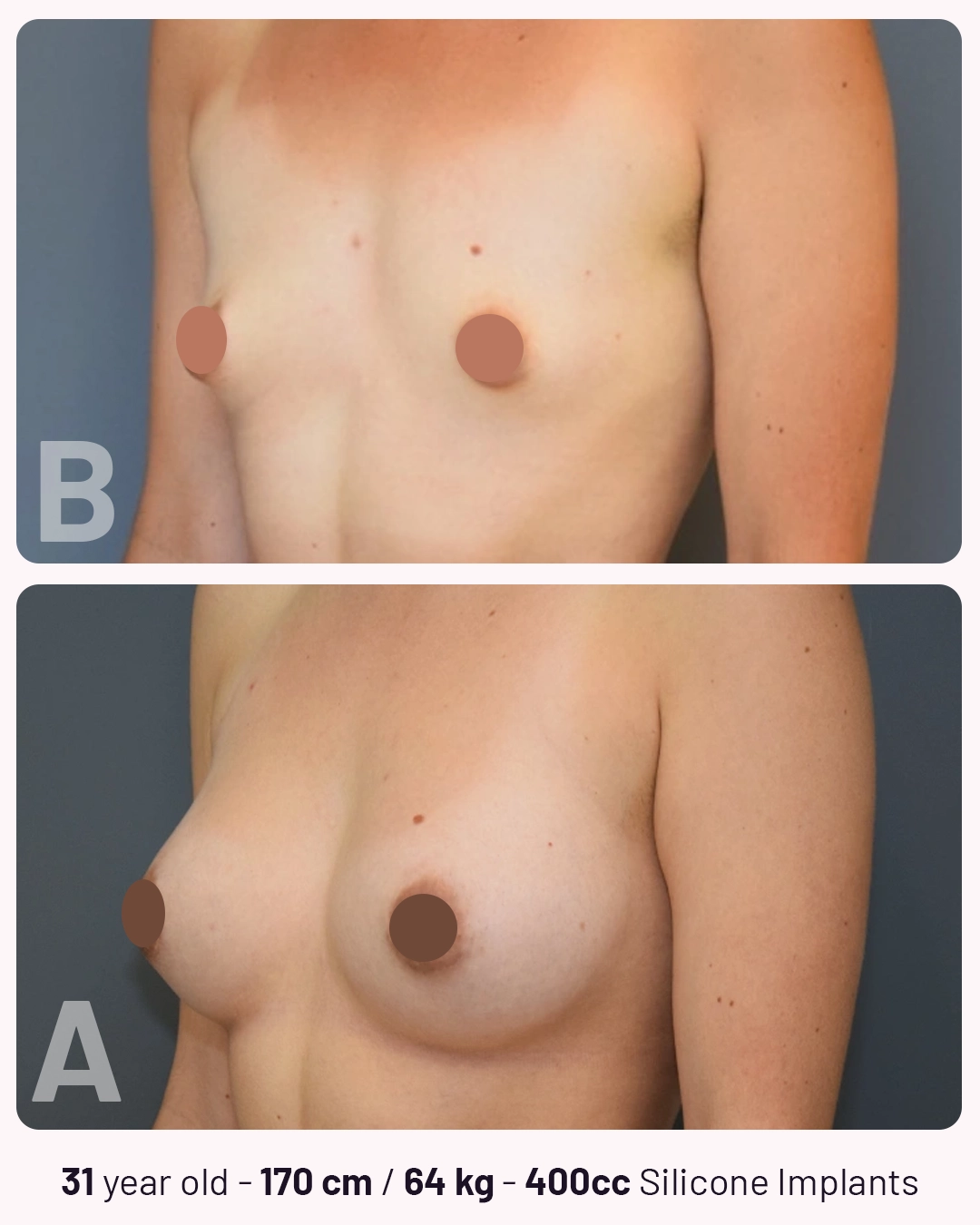
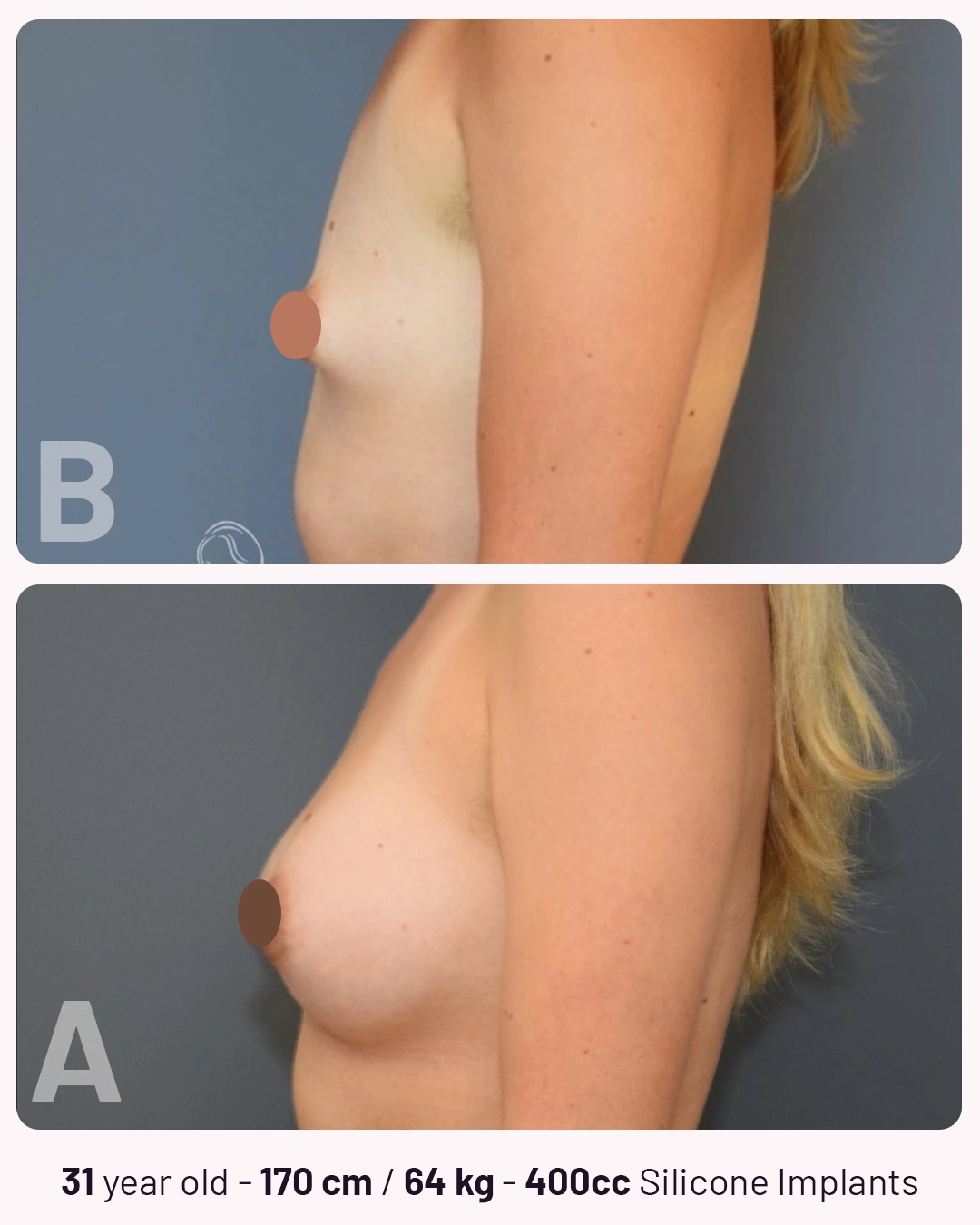
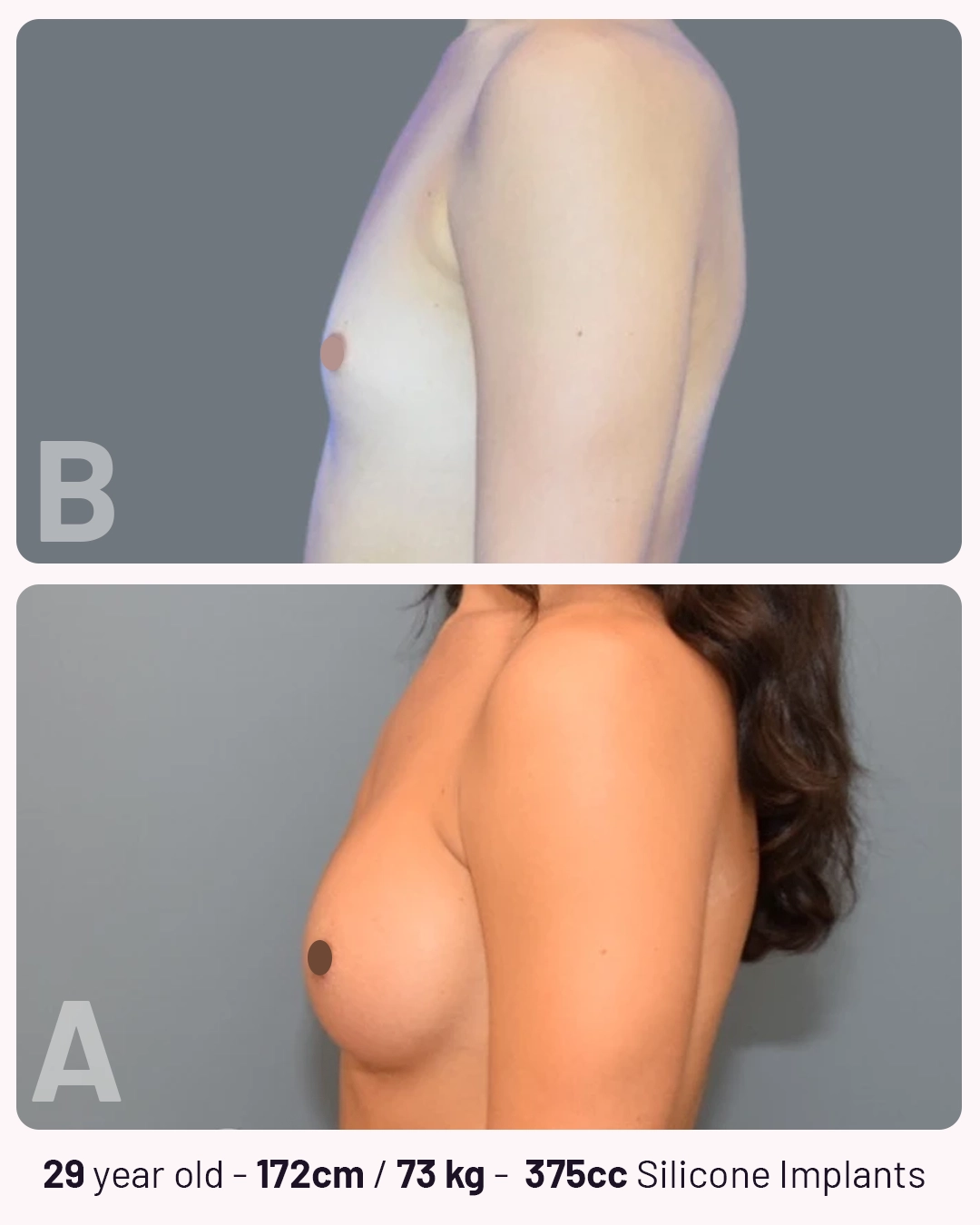
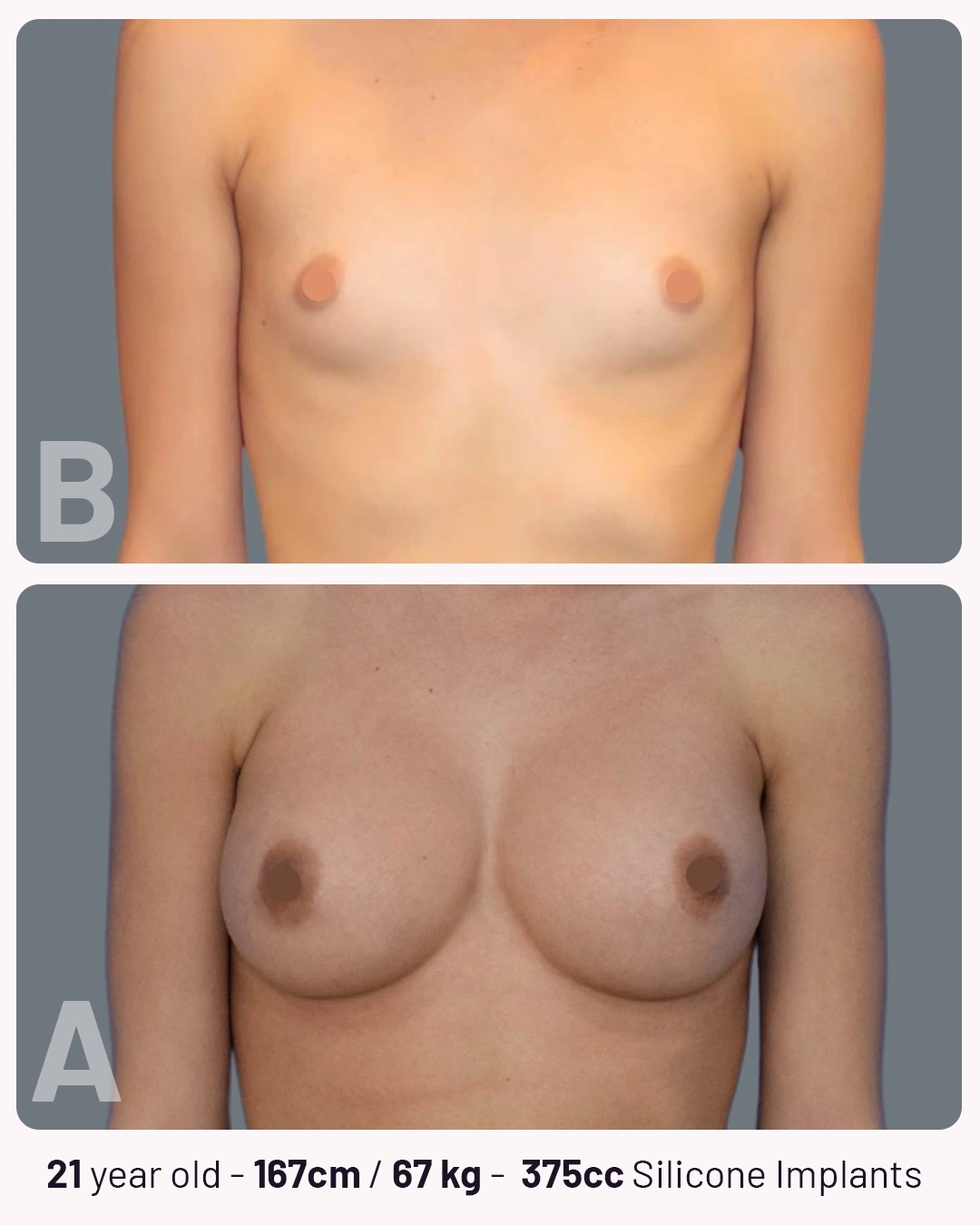
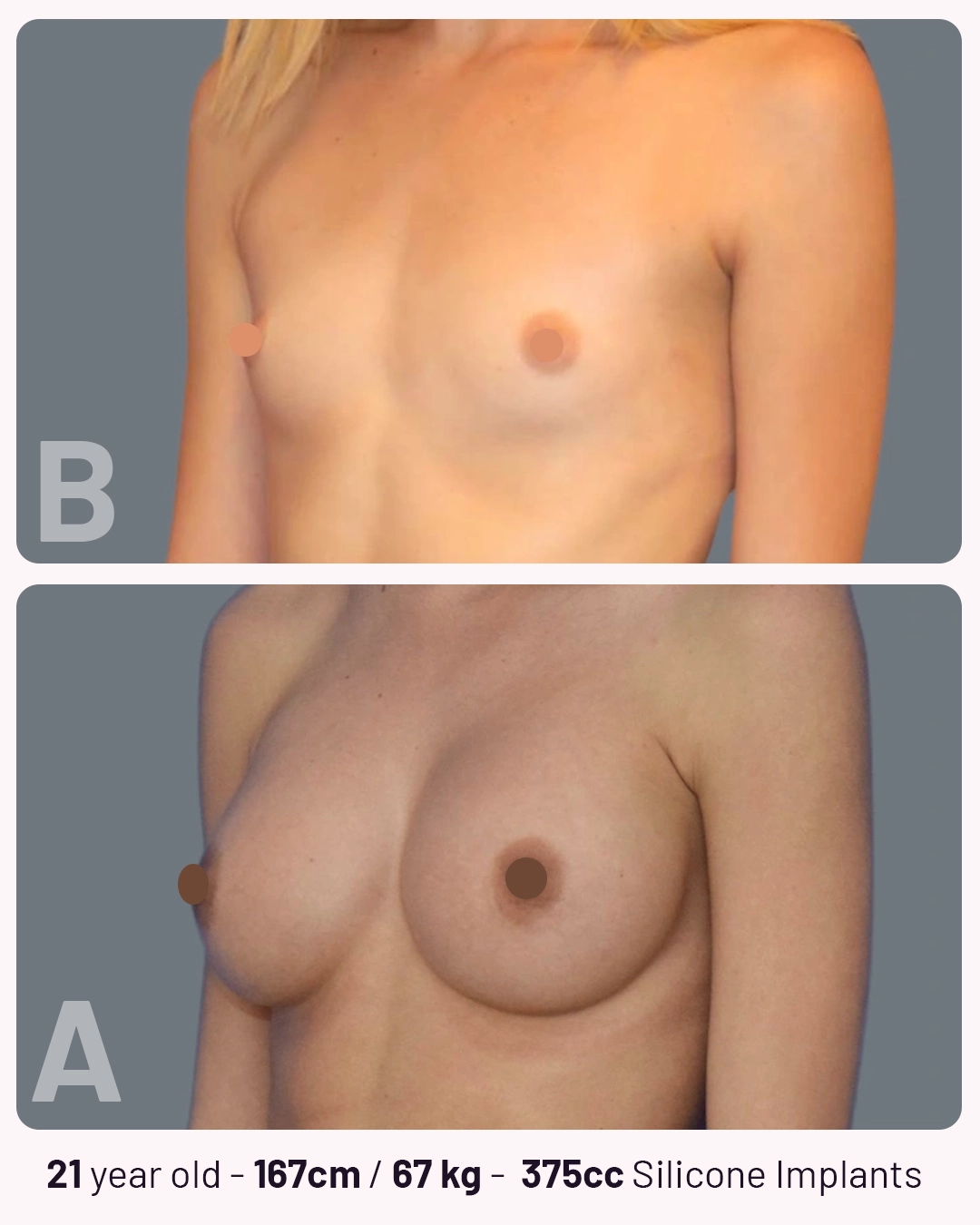
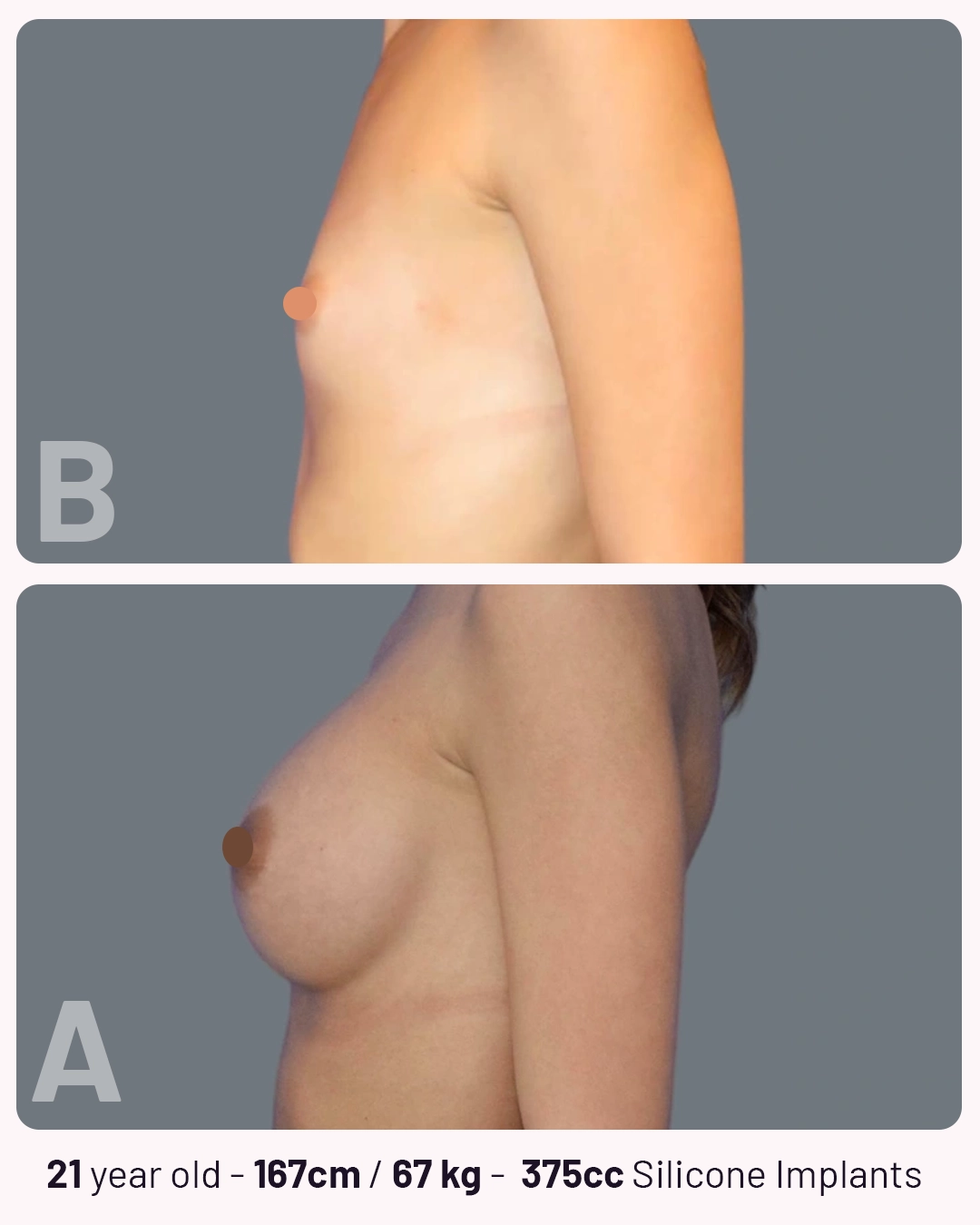
One of the most reliable and frequently preferred methods for breast enlargement is the use of silicone breast implants placed underneath the breast tissue or the chest muscle. Aimed at increasing breast volume and improving contour, these surgeries generally take an average of 1.5 hours. The procedure is performed under general anesthesia, and patients can be safely discharged either a few hours after the operation or the following day.
During the recovery period, patients can typically return to their daily routines and desk jobs within a few days. However, for a healthy recovery, it is recommended to avoid heavy lifting and strenuous overhead arm movements for the first 3 weeks.
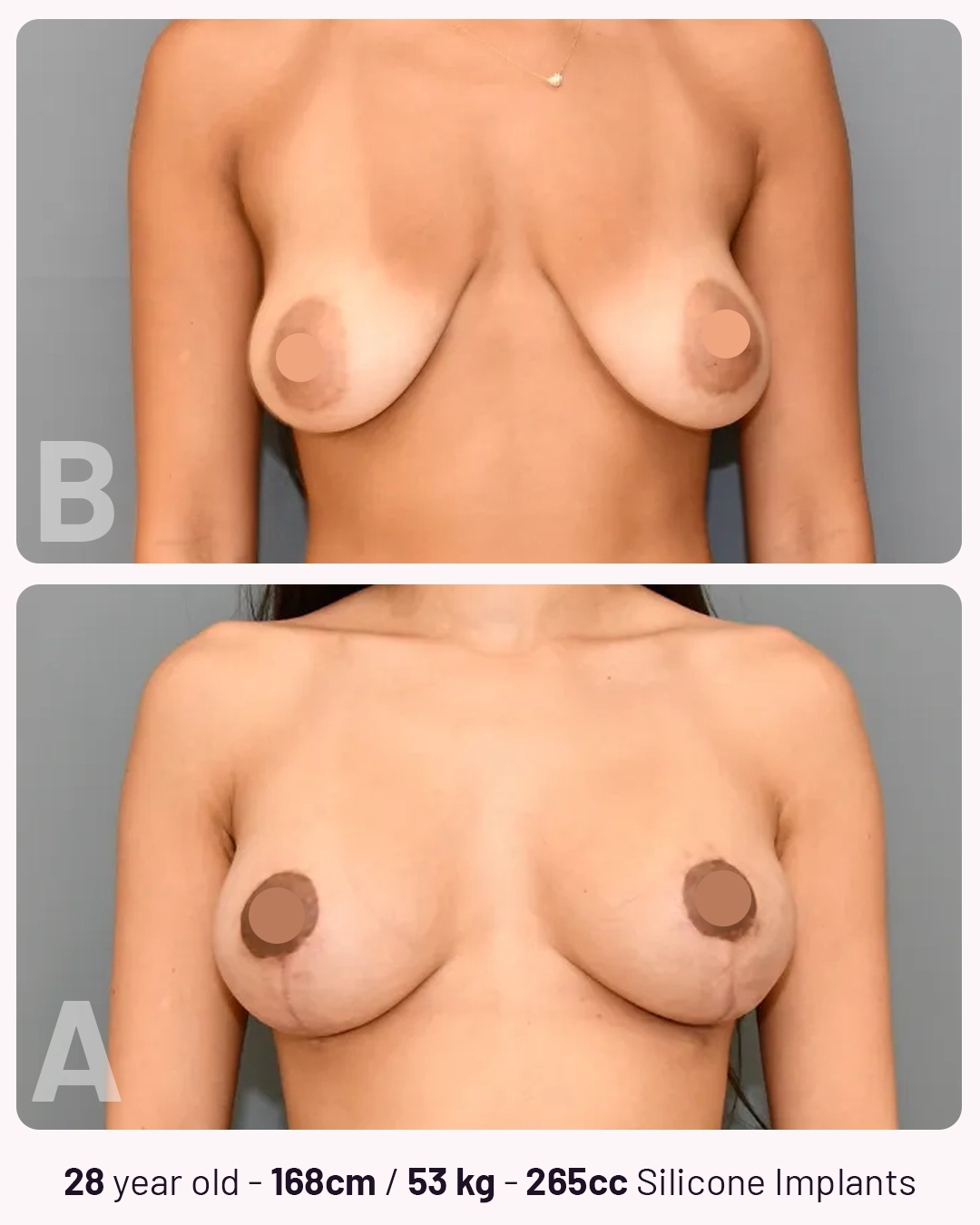
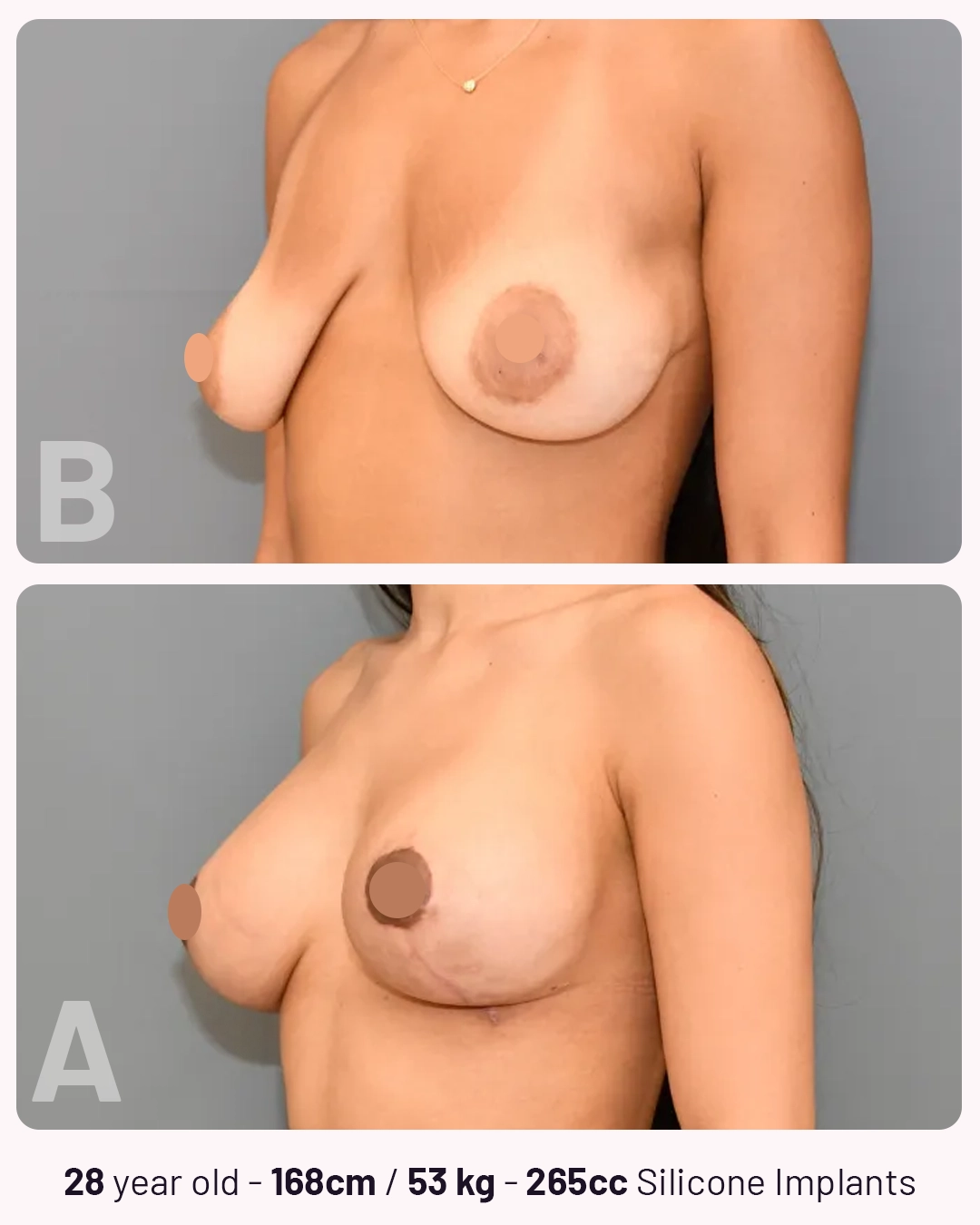
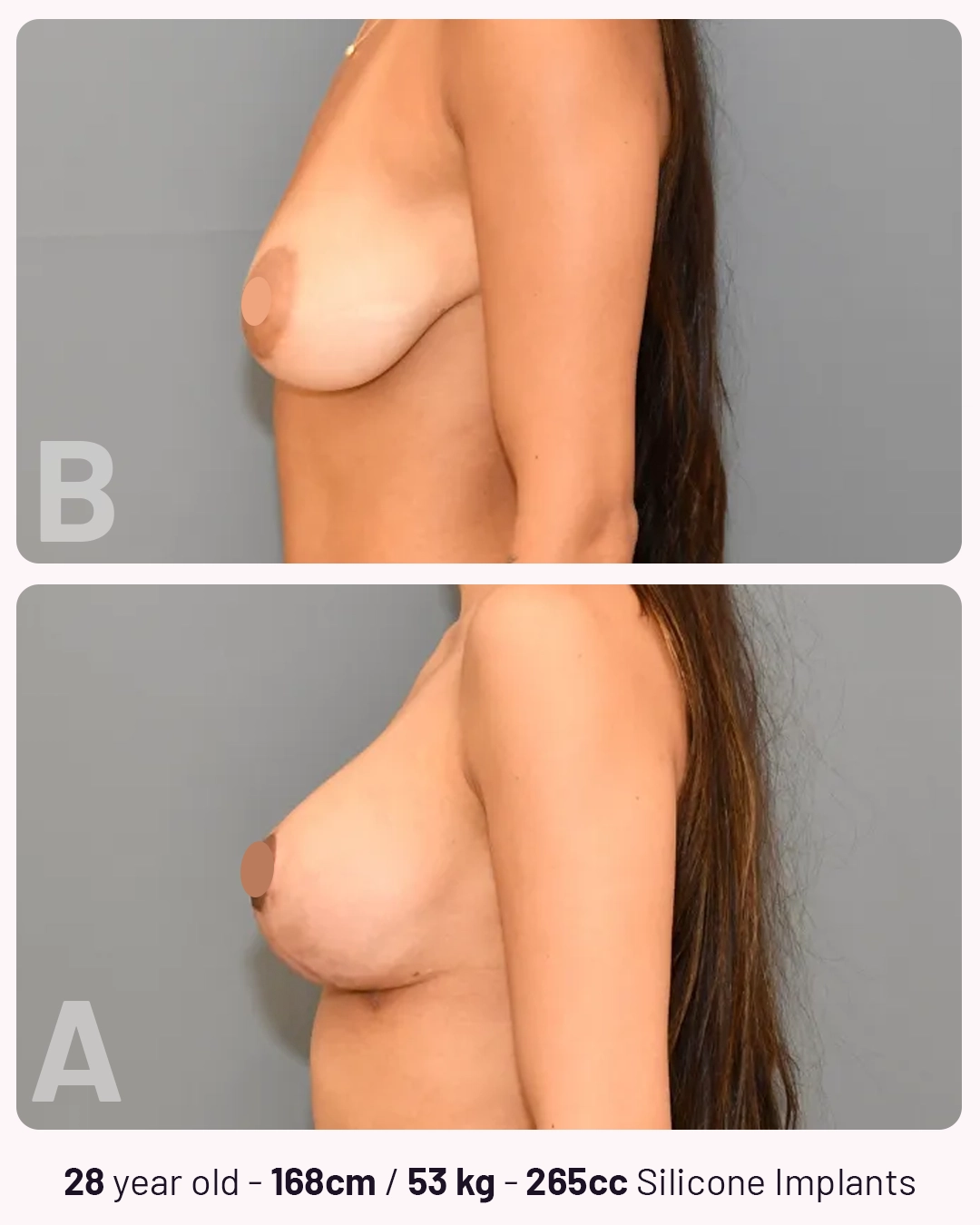
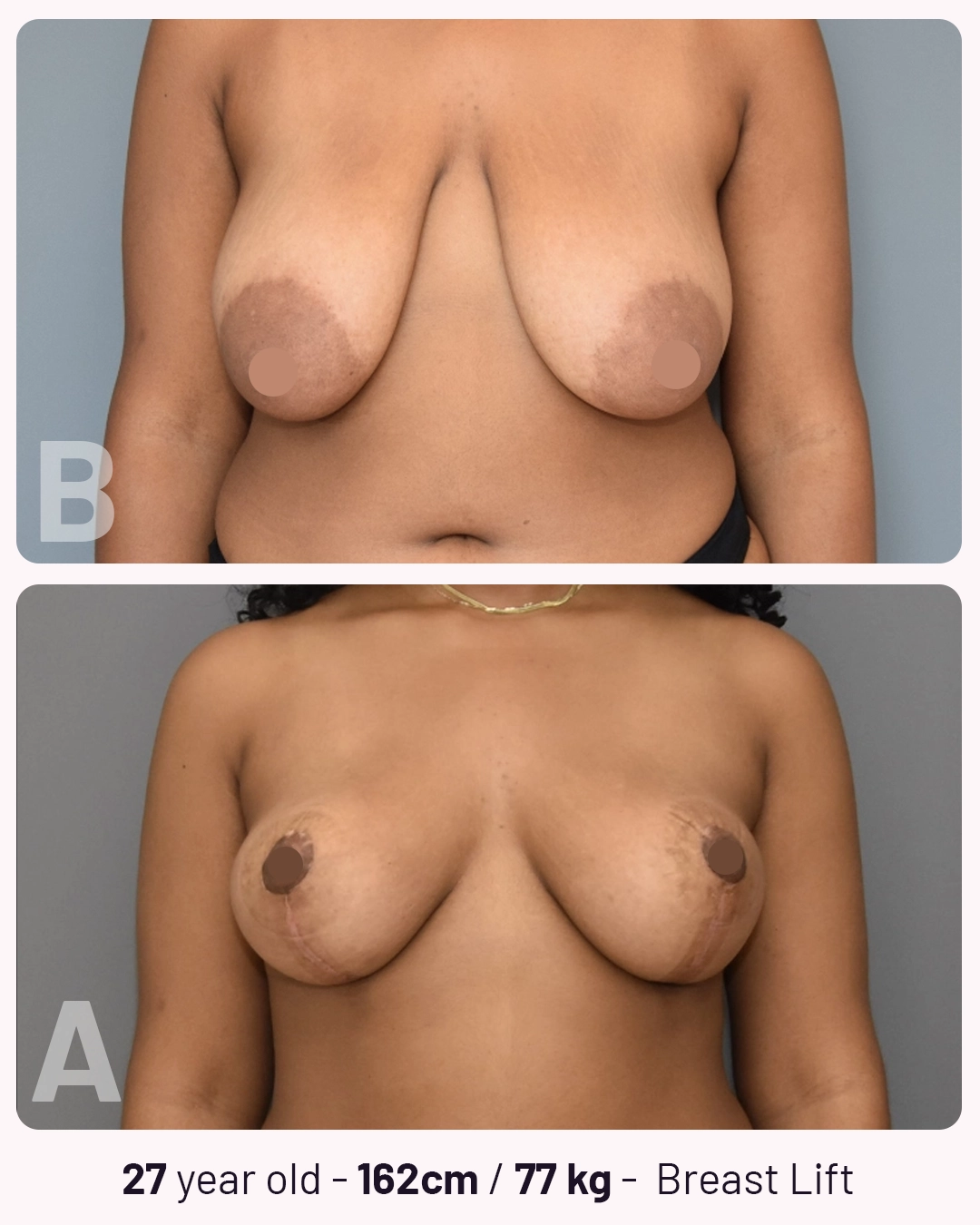
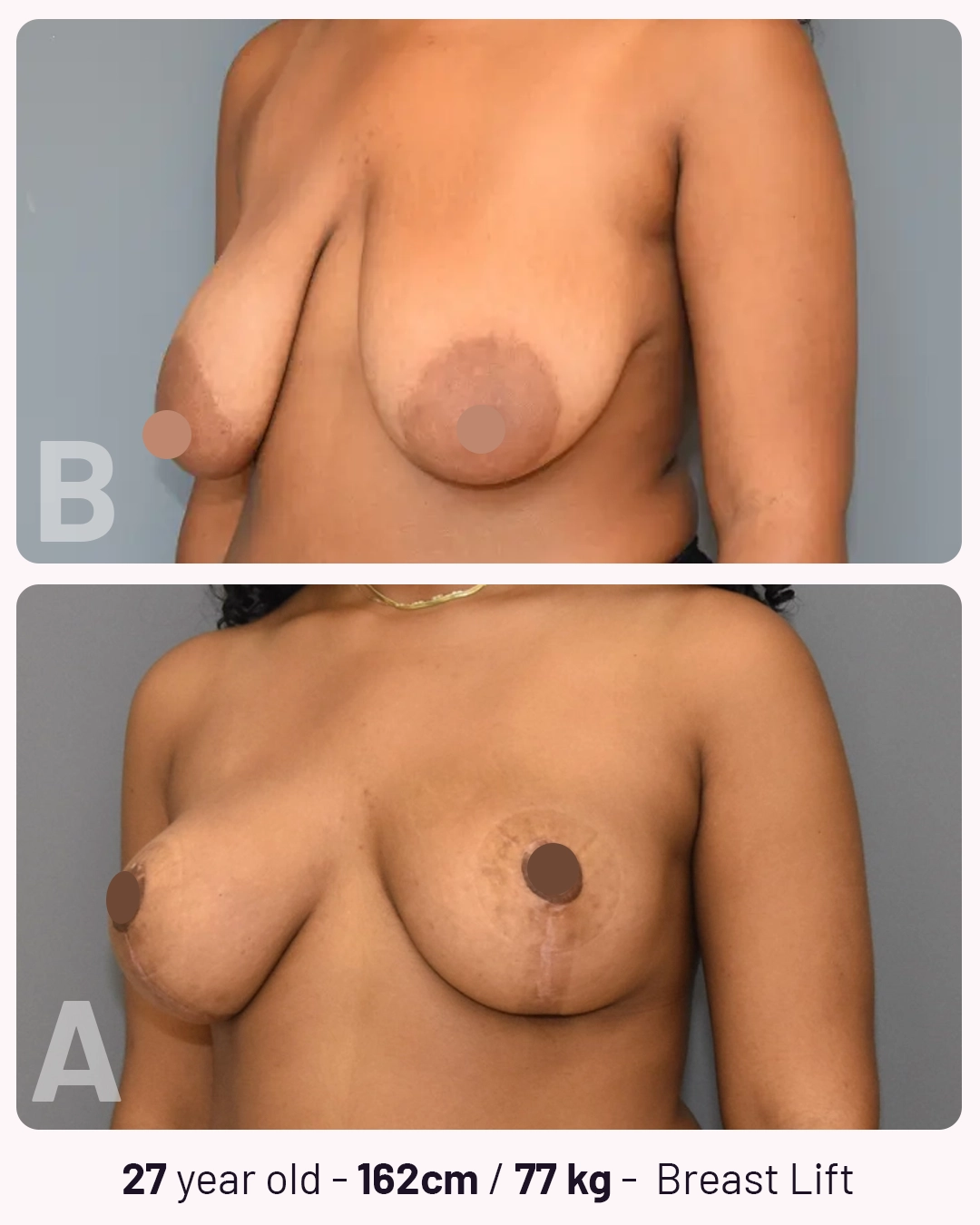
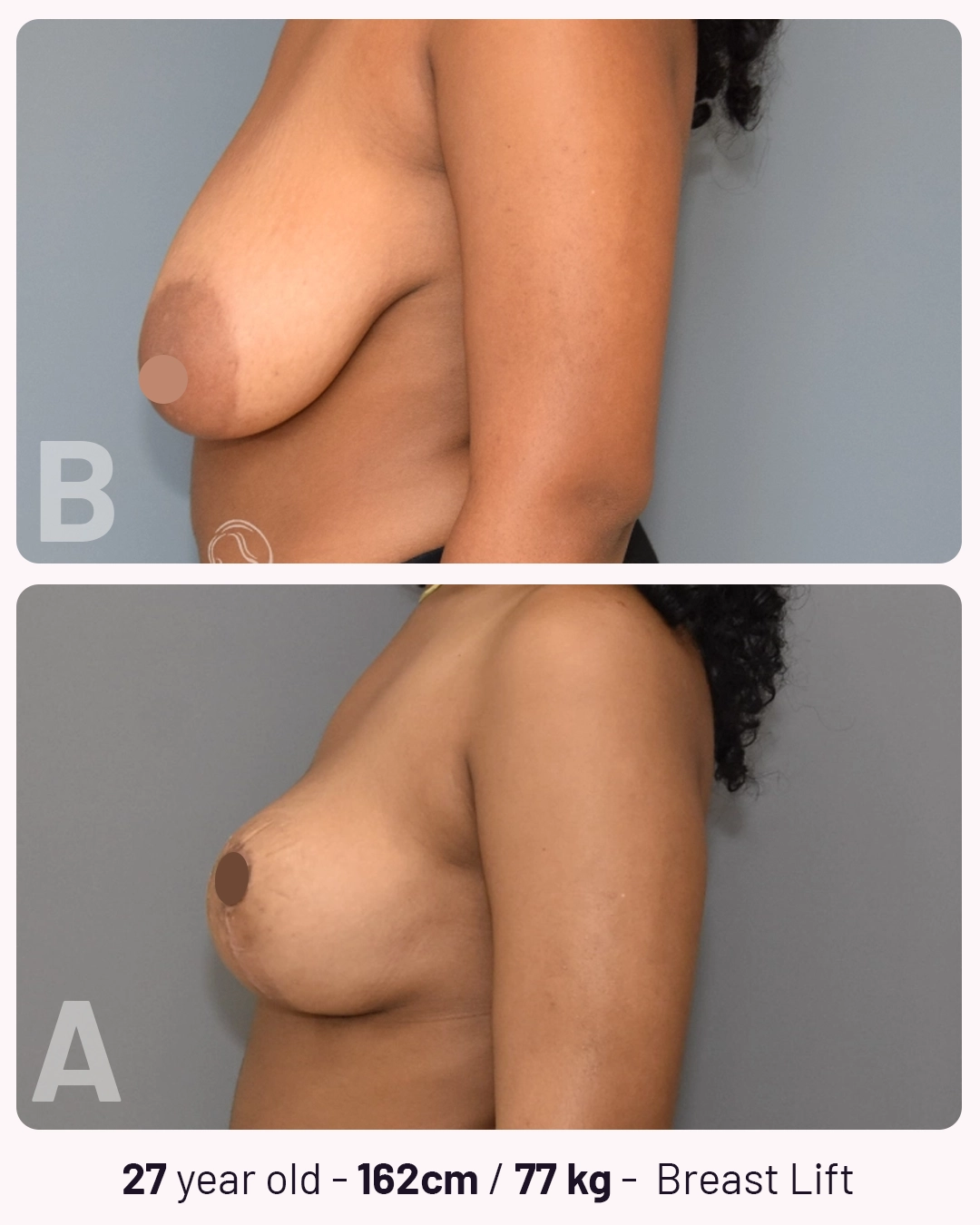
Breast sagging is a common condition that increases due to natural factors such as the aging process, pregnancy, and breastfeeding, occurring as the skin loses its elasticity under the influence of gravity. Breast lift surgeries provide a reliable surgical solution to this concern.
The primary goal of the surgery is to reshape and restore form to the breast tissue that has lost its elasticity after childbirth and breastfeeding. If the dark area surrounding the nipple (areola) has enlarged, it can be reduced during the lifting procedure. Additionally, for patients experiencing volume loss, this procedure can be combined with breast implants to increase breast volume while achieving the desired lift.
Various techniques are utilized in breast lift surgeries. Factors such as the degree of breast sagging, breast size, and skin quality are clinical parameters that influence the surgeon’s choice of the most suitable technique.
The vast majority of patients seeking relief from overly large breasts (macromastia) undergo breast reduction surgery not only for aesthetic concerns but also due to severe physical health problems.
Particularly during youth, excessively large breasts can lead to a loss of self-confidence and various psychological challenges. Out of self-consciousness, many young individuals avoid social events and physical activities, which can negatively impact both their physical and psychosocial development.
Furthermore, breast hypertrophy directly affects and deforms the skeletal system. The chronic weight of the breasts shifts the body’s center of gravity forward, leading to medical conditions such as cervical disc herniation, back slouching (kyphosis), painful bra strap grooving on the shoulders, and nerve compression in the arms. In later years, conditions like osteoporosis accelerate and aggravate this structural strain on the skeleton. The definitive solution to these quality-of-life-limiting problems is surgical intervention, making breast reduction surgery a functional necessity.
Gynecomastia is defined as the development of female-type breast tissue in men, typically caused by factors such as hormonal imbalances, genetic predisposition, or excessive weight gain. This enlargement is generally estrogen-dependent, occurring when estrogen levels rise or when the breast tissue becomes hypersensitive to estrogen.
In men, the natural aging process is often associated with a loss of muscle mass and an increase in body fat percentage, which can lead to elevated estrogen levels. Consequently, breast enlargement in older age is considered relatively physiological. Similarly, adolescent gynecomastia is frequently observed during puberty in genetically predisposed young males. While this enlargement is expected to regress naturally by the 20s, it can sometimes become permanent and require clinical intervention.
Gynecomastia surgery is performed utilizing liposuction, surgical excision methods, or a combination of both depending on the tissue composition, leaving no visible aesthetic scarring. Post-operative care includes managing mild discomfort, wearing a specialized compression garment, and adhering to temporary activity restrictions. Although gynecomastia rarely recurs after surgery, secondary enlargement can potentially trigger in cases of extreme weight gain or conditions that disrupt hormonal balance, such as alcohol dependency.
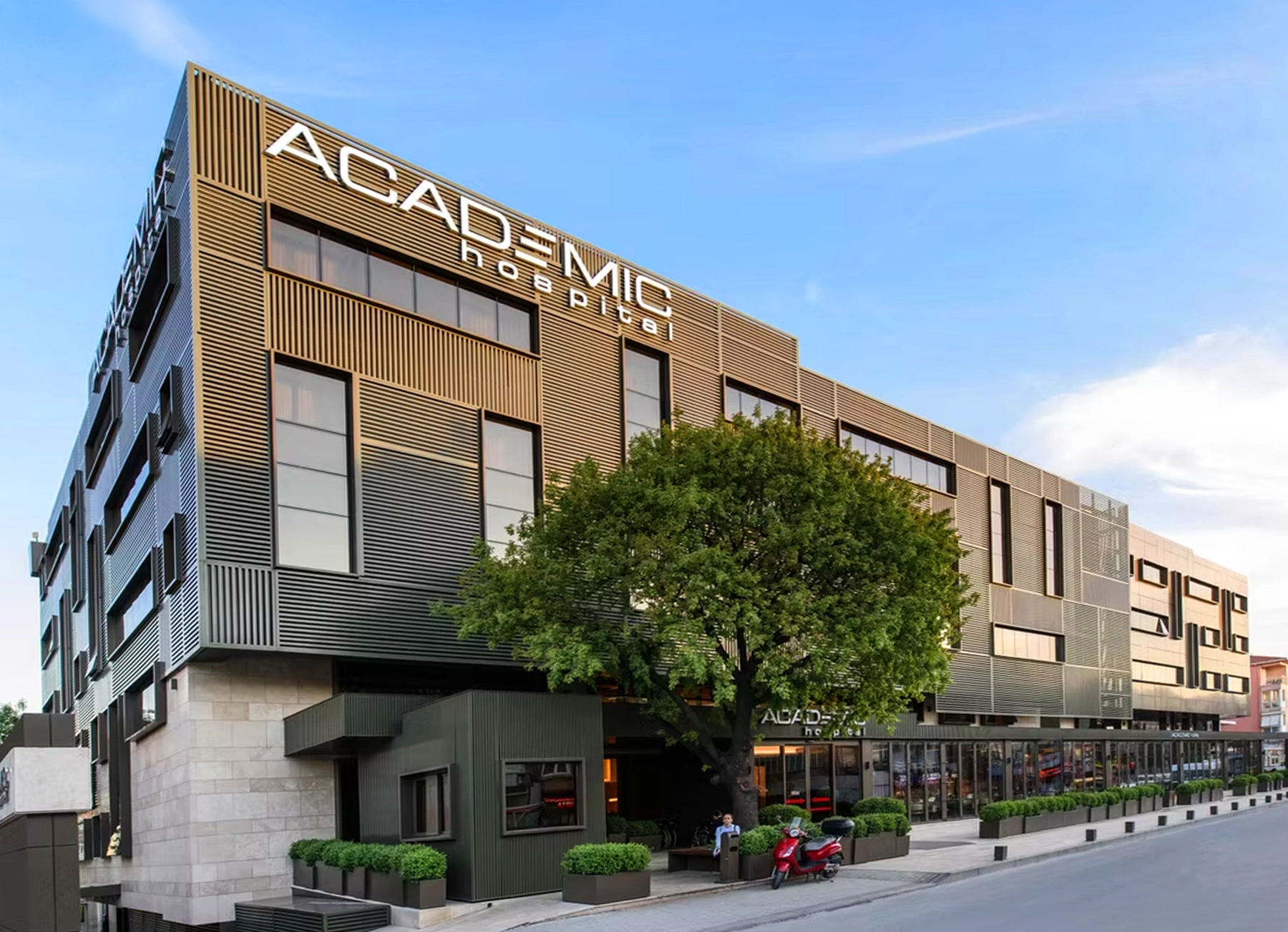
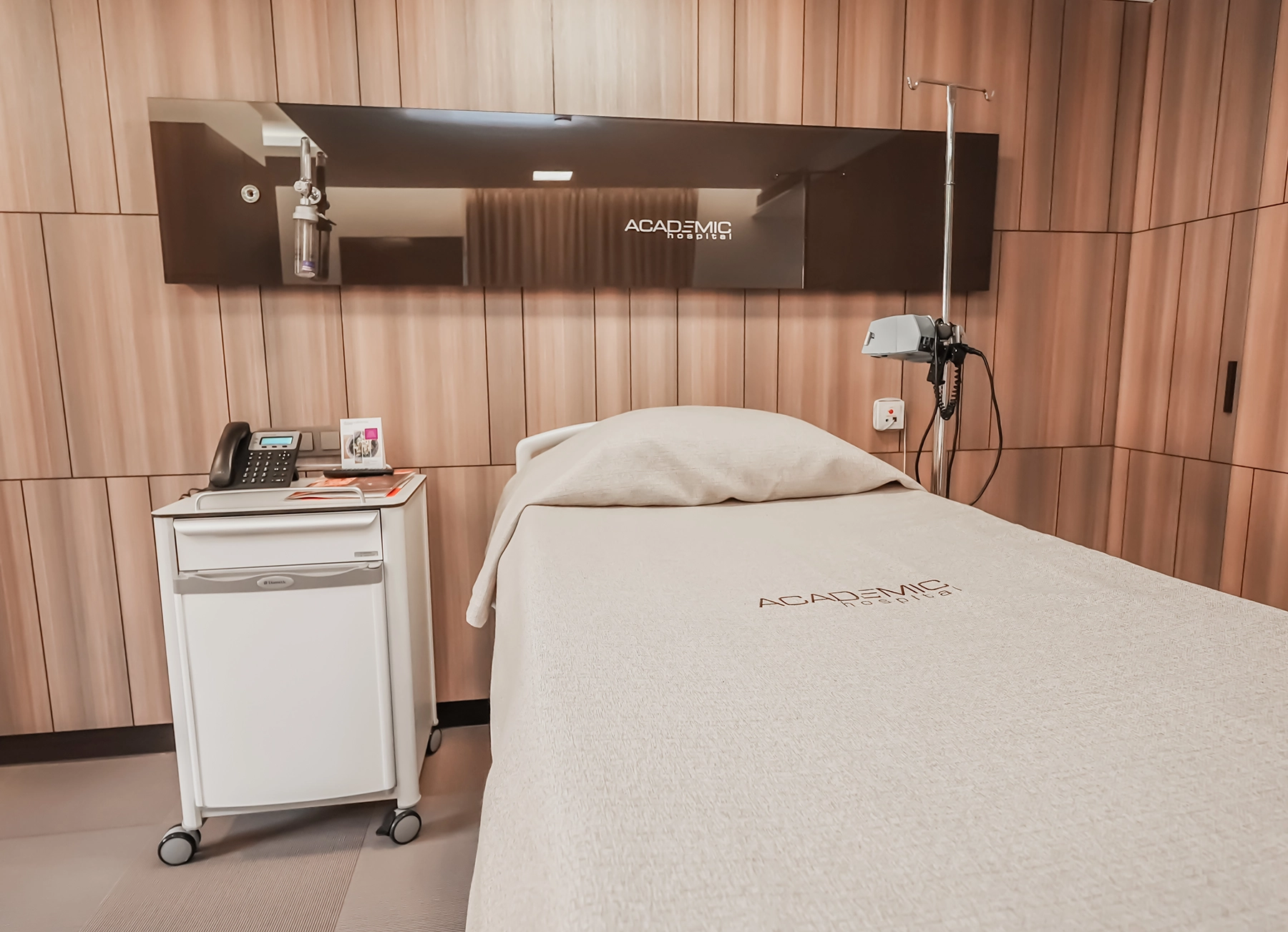
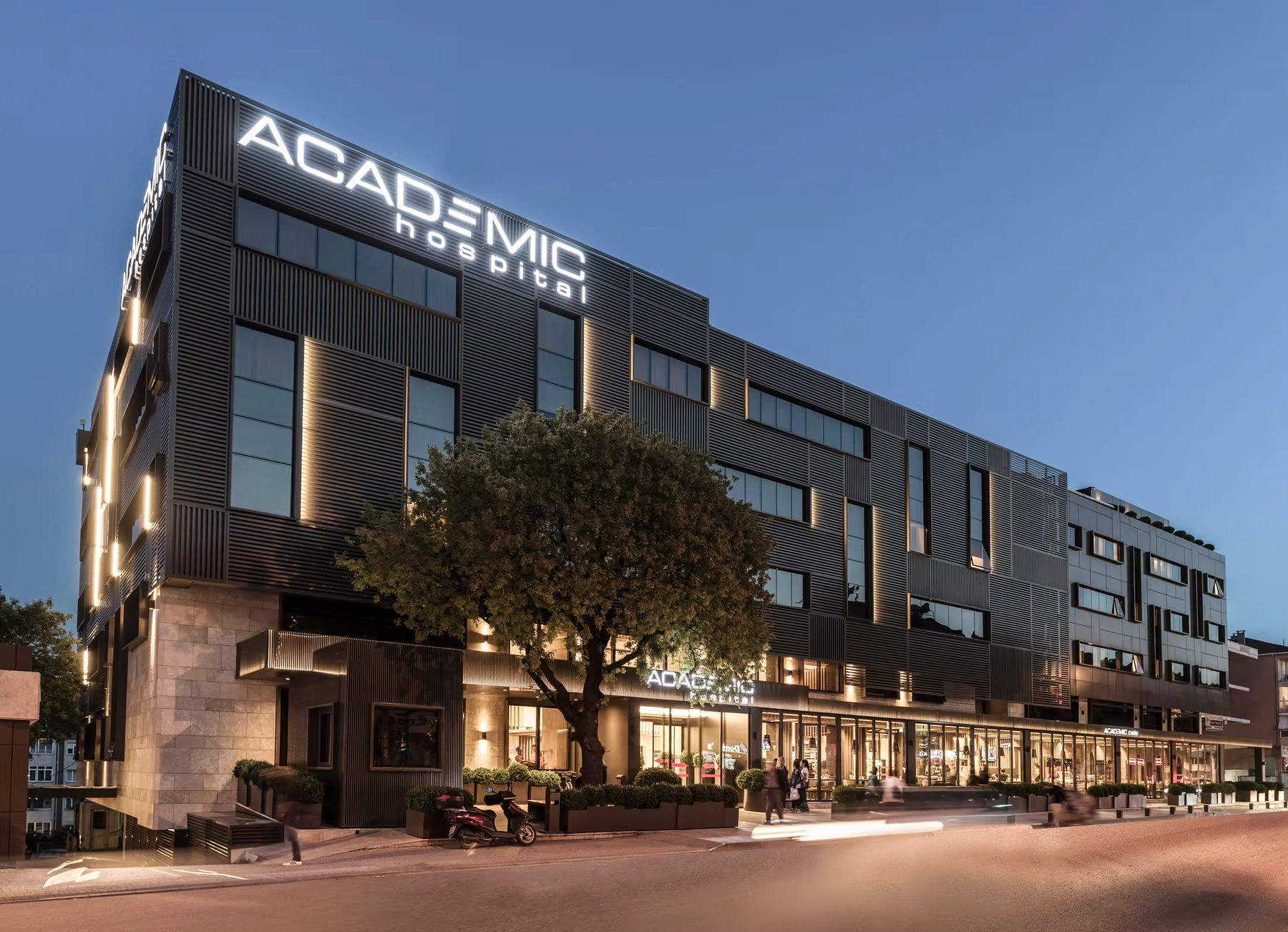
Academic Hospital is a modern healthcare institution in Istanbul, combining international medical standards with academic expertise and advanced technology. With our experienced academic staff and patient-centered approach, we provide safe, comfortable, and personalized healthcare services for patients from around the world.





Plastic & Aesthetic Surgeon
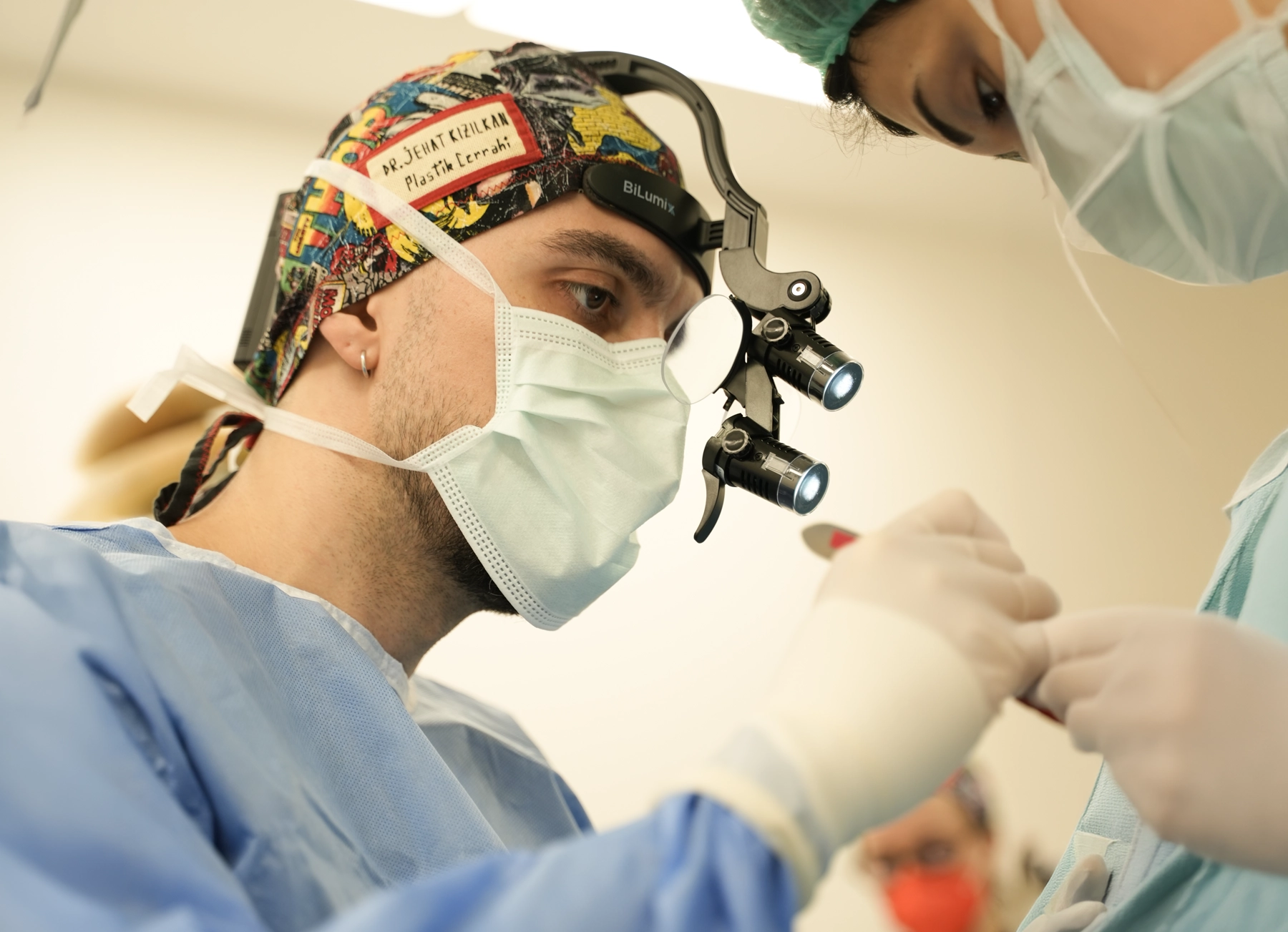
Dr. Jehat Kızılkan is a Plastic, Reconstructive, and Aesthetic Surgeon specializing in breast aesthetics, facial aesthetics, and body contouring. After completing his medical and surgical training in Türkiye, he gained international experience through advanced training programs in several European countries, including Germany. He currently practices at Academic Hospital in Istanbul.

Bu gönderiyi Instagram’da gör
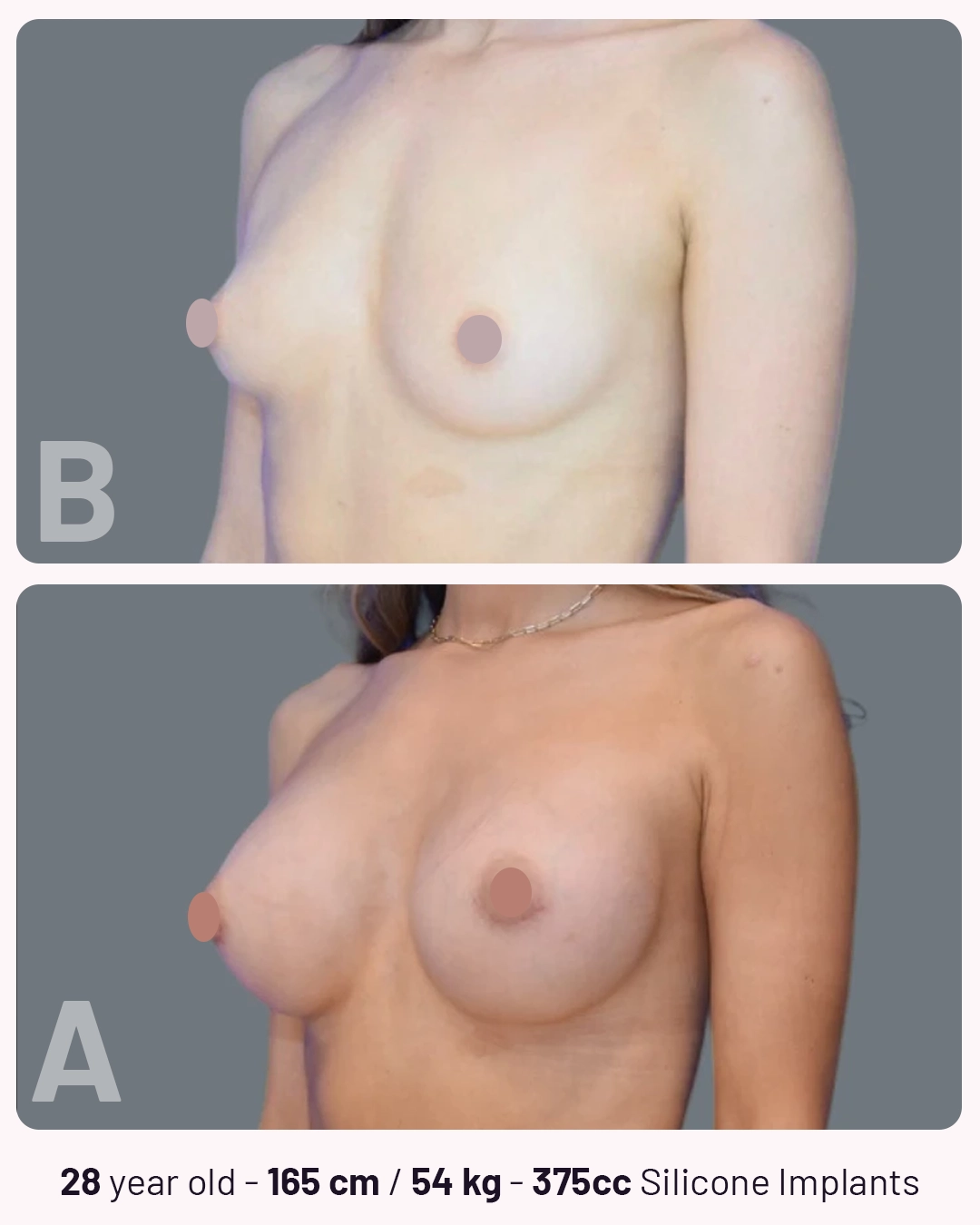
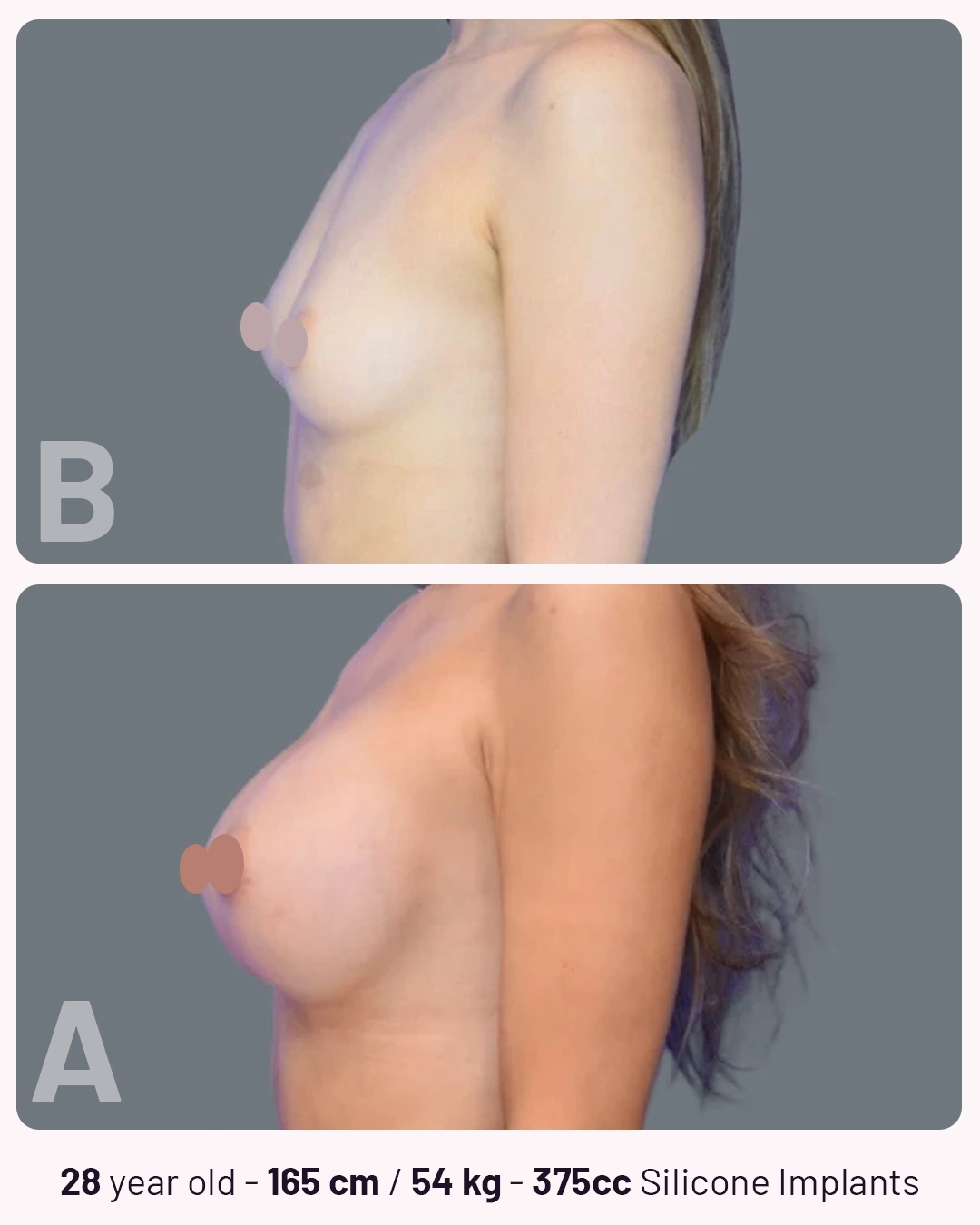
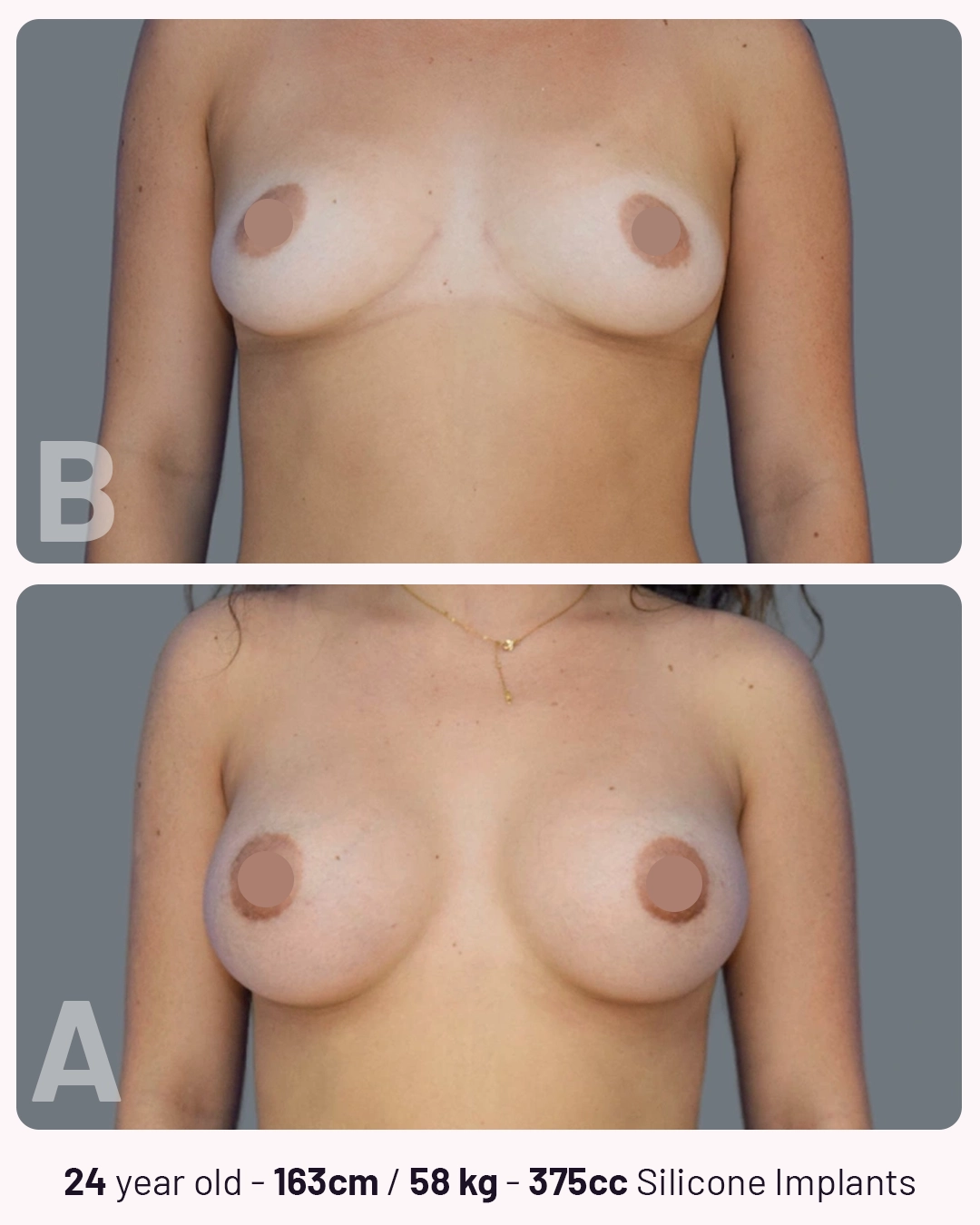
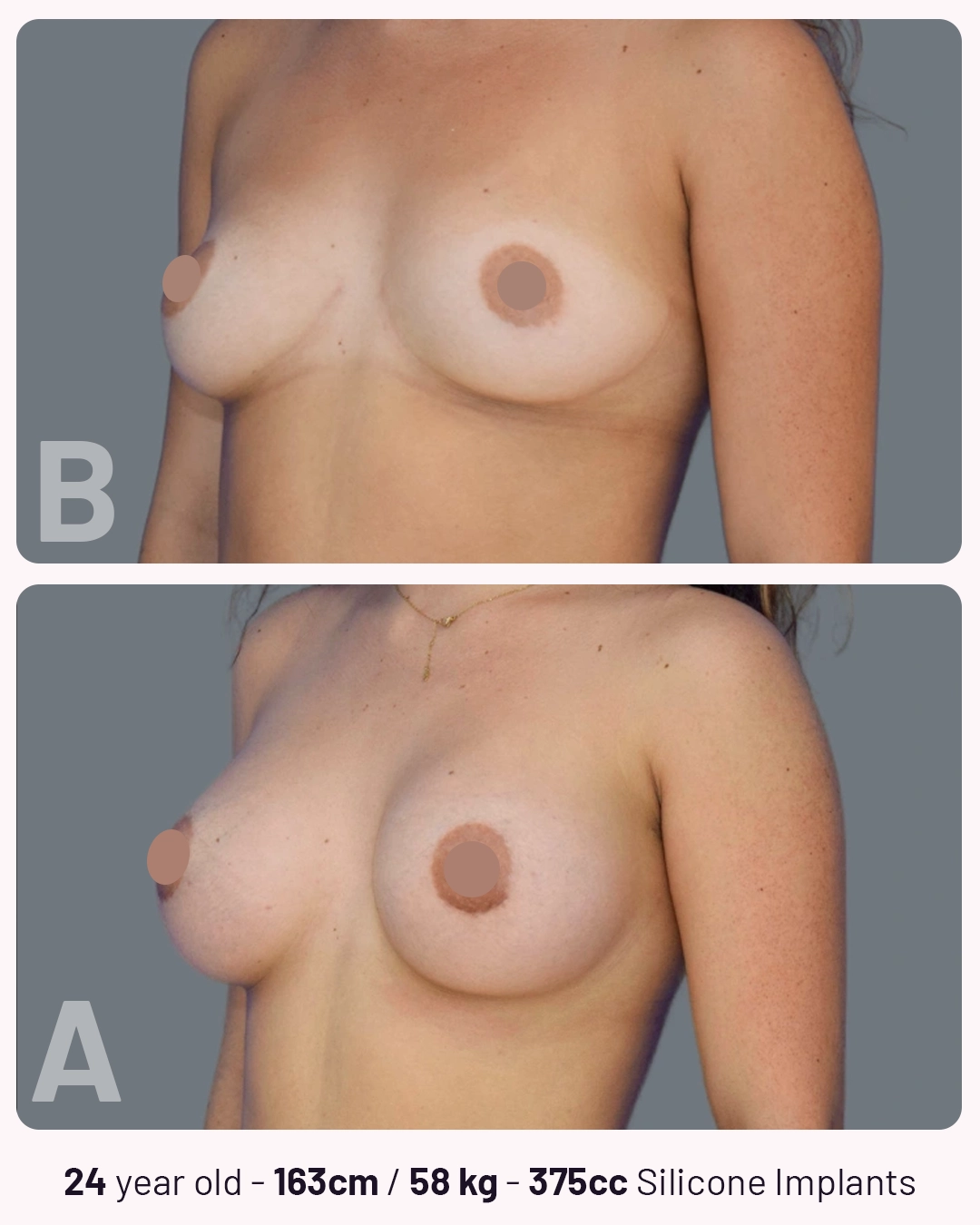
Bu gönderiyi Instagram’da gör
 Doktor Bul
 Telefon
 Randevu Al